In the fast-evolving world of filmmaking, achieving buttery-smooth, cinematic footage is paramount. For creators wielding powerful heavy cinema cameras like the RED Komodo or the Blackmagic Pocket Cinema Camera (BMPCC) 4K and 6K, this isn’t merely a desire—it’s a necessity. However, the substantial weight and often intricate rigging of these professional-grade cameras demand more than just any stabilizer. You need a robust gimbal, specifically engineered to handle significant payloads and deliver unwavering stability in every shot. This comprehensive guide will navigate you through the best gimbals available, ensuring your heavy cinema camera performs flawlessly on set.
Choosing the Right Gimbal: A Comprehensive Guide for Cinema Cameras
Selecting the ideal gimbal for your heavy cinema camera rig is a critical decision that impacts your entire production workflow. Unlike mirrorless or DSLR setups, cinema cameras often come with larger lenses, external monitors, follow focus systems, and V-mount batteries, all contributing to a substantial overall weight. Understanding these unique demands is the first step toward finding a stabilizer that won’t just hold your camera, but elevate your filmmaking.
Understanding Heavy Cinema Camera Needs
Standard gimbals designed for lighter cameras frequently fall short when confronted with the heft and often awkward balance of a fully rigged RED Komodo or BMPCC. These cinema cameras require gimbals with higher torque motors, superior build quality, and expanded balancing capabilities to prevent motor strain, reduce vibrations, and maintain stability. The importance of payload capacity cannot be overstated; it’s the absolute foundation for any heavy-duty gimbal. Without sufficient capacity, you risk poor stabilization, motor damage, and ultimately, unusable footage.
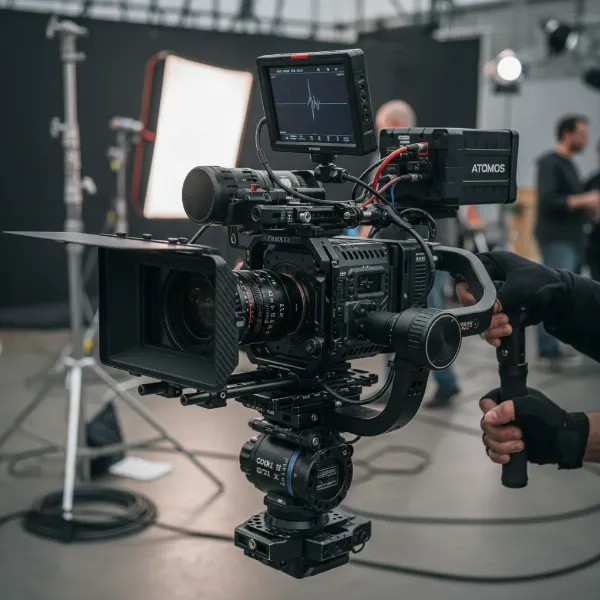 A fully rigged heavy cinema camera mounted on a robust, professional-grade gimbal stabilizer, ready for filming.
Key Factors to Consider When Selecting a Heavy-Duty Gimbal
When investing in a gimbal for your high-value cinema camera, a meticulous evaluation of its capabilities is essential. Each feature plays a role in the gimbal’s performance, durability, and integration into your professional workflow.
- Payload Capacity: This is the single most crucial specification. Always calculate the total weight of your camera body, lens, external monitor, matte box, follow focus motor, and any batteries or SSDs you plan to mount on the gimbal. Ensure the gimbal’s maximum payload capacity comfortably exceeds this total, leaving a buffer for dynamic movements and potential future additions. For cameras like the RED Komodo or BMPCC 6K Pro, payloads can easily reach 4-6 kg (9-13 lbs) when fully rigged.
- Stabilization Technology: Beyond raw motor strength, the sophistication of the gimbal’s algorithms determines the smoothness and responsiveness of your footage. Look for gimbals featuring advanced algorithms that adapt to diverse shooting scenarios, from slow cinematic glides to fast-paced action. Enhanced stabilization ensures that even with heavy loads, your shots remain consistently stable and free from micro-jitters.
- Features for Filmmakers: Modern cinema gimbals integrate a host of features designed to streamline professional production:
- LiDAR/Autofocus Systems: Innovative technologies like DJI’s LiDAR focusing system provide precise, real-time autofocus with manual lenses, a game-changer for solo operators or fast-moving shoots where pulling focus manually is challenging.
- Wireless Control and Monitoring: The ability to control gimbal movements, camera settings, and even monitor your footage wirelessly through a smartphone or dedicated remote is invaluable for complex shots or operating with a crew.
- Power Output for Accessories: Many cinema camera accessories, such as external monitors or wireless video transmitters, require power. Gimbals with built-in power outputs can simplify cabling and extend accessory runtimes.
- Quick-Release Plates and Automated Axis Locks: These features drastically reduce setup and breakdown times. Automated axis locks secure the gimbal arms during transport, while quick-release plates allow for rapid camera mounting and unmounting, crucial when switching between handheld and gimbal shots.
- Vertical Shooting Modes: For social media content and certain artistic shots, the ability to quickly reconfigure the gimbal for native vertical video capture is becoming increasingly important.
- Build Quality & Ergonomics: A heavy-duty gimbal must be built to withstand the rigors of production. Carbon fiber construction offers a lightweight yet incredibly rigid frame, which is ideal for reducing operator fatigue while maintaining stability. Ergonomic design, including comfortable handles and easy-to-reach controls, is vital for long shooting days. Consider options with modular designs or support for dual-handle grips to distribute weight and enhance control.
- Battery Life: Extended battery life is crucial for uninterrupted shooting. Look for gimbals that offer several hours of continuous operation (12-18 hours is common for pro models) and support fast charging or easily swappable battery systems to minimize downtime.
- Ecosystem & Accessories: A strong ecosystem of compatible accessories, such as follow focus motors, external monitors, counterweights, and support vests, ensures your gimbal can grow and adapt with your specific filmmaking needs. Compatibility with major camera brands (RED, Blackmagic, Sony, Canon) is also key for seamless integration and control.
Popular Heavy-Duty Gimbals for RED & BMPCC Cameras
The market for professional cinema gimbals is dominated by a few key players, each offering compelling solutions for heavy camera setups.
- DJI Ronin Series (RS 3 Pro, RS 4 Pro, Ronin 2): DJI’s Ronin series has consistently set benchmarks for stabilization and innovation. The DJI RS 3 Pro and its successor, the DJI RS 4 Pro, are widely acclaimed for their impressive 4.5 kg (10 lbs) payload capacity, making them ideal for fully rigged BMPCC 4K/6K cameras, RED Komodo, and even smaller cinema cameras like the Sony FX6 or Canon C70. Key advantages include their advanced stabilization algorithms, carbon fiber arms, automated axis locks, and the optional LiDAR focusing system for precise autofocus. For productions demanding even greater payloads (up to 13.6 kg or 30 lbs), the DJI Ronin 2 remains the industry standard, capable of flying larger cinema cameras like the ARRI ALEXA Mini and heavy RED setups, though its size and complexity are suited for larger crews.
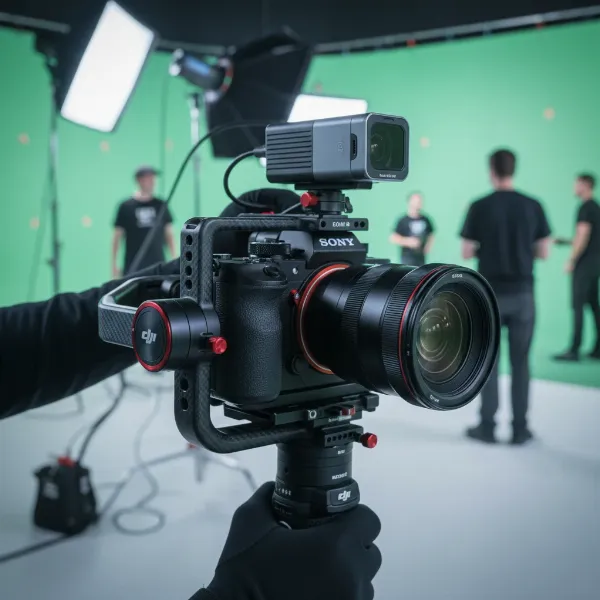 A DJI Ronin RS Pro series gimbal stabilizing a mid-size cinema camera with its automated axis locks engaged.
 - Zhiyun Crane Series (Crane 4, Crane 3S): Zhiyun has carved out a strong niche with its powerful and versatile Crane series. The Zhiyun Crane 4 is a robust contender, supporting payloads up to 4.0 kg (8.8 lbs), making it suitable for BMPCC 6K Pro rigs. It features a pistol-grip style handle for improved ergonomics, a built-in touchscreen, and modular accessory options. For even heavier setups, the Zhiyun Crane 3S boasts an impressive 6.5 kg (14.3 lbs) payload capacity, designed to accommodate larger cinema cameras and complex rigs with ease, offering a modular design that can be adapted for single or dual-handle operation.
- Other Notable Mentions (Freefly MōVI Pro): While DJI and Zhiyun dominate the handheld segment, high-end productions often turn to specialized systems like the Freefly MōVI Pro. Known for its exceptional build quality, advanced stabilization, and high payload capacity, the MōVI Pro is a professional-grade tool for large-scale cinema productions, often integrated with complex rigging and remote operation systems.
Detailed Comparison: Top Gimbals for Heavy Cinema Cameras
To help you make an informed decision, here’s a detailed comparison of some of the leading gimbals suitable for heavy cinema camera setups:
| Feature | DJI RS 3 Pro / RS 4 Pro | Zhiyun Crane 4 | Zhiyun Crane 3S | DJI Ronin 2 |
|---|---|---|---|---|
| Max Payload | 4.5 kg (10 lbs) | 4.0 kg (8.8 lbs) | 6.5 kg (14.3 lbs) | 13.6 kg (30 lbs) |
| Camera Compatibility | RED Komodo, BMPCC 4K/6K, Sony FX6, Canon C70 | BMPCC 6K Pro, DSLR/Mirrorless | RED, ARRI, Large DSLRs | ARRI ALEXA Mini, RED Monstro |
| Key Features | LiDAR Focus, Automated Axis Locks, Carbon Fiber | Built-in monitor, modular, extended handle | Modular design, super high payload, dual-handle options | Extreme payload, high torque motors, extensive accessory integration |
| Build Material | Carbon Fiber | Aluminum Alloy | Aluminum Alloy | Carbon Fiber, Aluminum |
| Battery Life | 12-14 hours | 12-18 hours | 18 hours | 8 hours (with dual battery system) |
| Weight (Gimbal only) | 1.5 kg (3.3 lbs) | 1.67 kg (3.7 lbs) | 3.1 kg (6.8 lbs) | 5.5 kg (12 lbs) |
| Best For | Solo/Small Crew, rigged mirrorless/mid-size cinema cameras | Advanced users, versatile setups, run-and-gun | Heavier cinema cameras, professional features, adaptable rigs | Large cinema productions, extremely heavy setups, VFX |
Your Heavy-Duty Gimbal Buying Guide
Navigating the options can be overwhelming, but by breaking down your needs, the path to the perfect gimbal becomes clearer.
- Assess Your Camera Rig’s Weight: The most common mistake filmmakers make is underestimating their total rig weight. Always factor in every component you plan to mount. A RED Komodo with a cinema prime lens, a V-mount battery, and an external monitor can easily push past 4kg, requiring a gimbal that’s truly up to the task.
- Match Gimbal to Workflow: Are you a solo operator who needs a lighter, more portable solution for run-and-gun shoots? Or are you part of a larger crew requiring maximum payload and extensive accessory integration for complex studio setups? Your workflow dictates the necessary balance between portability, power, and features.
- Budget Considerations: Professional gimbals represent a significant investment. Entry-level pro models like the DJI RS 3/4 Pro or Zhiyun Crane 4 offer incredible value, while high-end systems like the DJI Ronin 2 or Freefly MōVI Pro cater to top-tier productions with higher budgets. Define your maximum expenditure and seek the best performance within that range.
- Future-Proofing: Consider your long-term filmmaking goals. If you anticipate upgrading to heavier cameras or adding more accessories, choose a gimbal with a higher payload capacity and a robust accessory ecosystem to ensure it remains a valuable tool for years to come.
- Warranty & Support: Reliable customer service and a solid warranty are vital for any professional gear. Research the brand’s reputation for support and availability of spare parts or repair services.
Tips for Optimizing Performance and Maintenance
Owning a powerful gimbal is only half the battle; knowing how to use and maintain it correctly ensures optimal performance and longevity.
- Proper Balancing: This is non-negotiable. An improperly balanced camera rig forces the gimbal motors to work harder, leading to overheating, reduced battery life, and less stable footage. Take the time to achieve a perfect balance on all three axes before every shoot. Many gimbals now offer automated balancing features, but a manual fine-tune is always recommended.
- Firmware Updates: Manufacturers frequently release firmware updates to improve stabilization algorithms, add new features, and enhance compatibility with new cameras and accessories. Regularly check for and install the latest firmware to keep your gimbal performing at its peak.
- Accessory Management: Plan your accessory power and mounting carefully. Use dedicated power outputs from the gimbal or V-mount batteries to power external monitors and wireless transmitters, minimizing cable clutter and ensuring consistent power delivery.
- Regular Cleaning: Dust, dirt, and debris can interfere with gimbal motors and moving parts. Use a soft, dry cloth to clean the gimbal regularly, especially after shooting in challenging environments. Inspect contacts and cables for wear and tear.
- Transportation: Always transport your gimbal in a dedicated, padded case. When not in use, engage the axis locks to protect the motors and delicate components from shock and movement.
A gimbal for a heavy cinema camera is more than just an accessory; it’s an essential tool that unlocks unparalleled creative possibilities. By carefully considering payload, features, and workflow, you can select a stabilizer that transforms your filmmaking, delivering the smooth, professional results your stories deserve. What cinematic vision are you ready to bring to life with rock-solid stability?
Frequently Asked Questions
What is the ideal payload capacity for a RED Komodo or BMPCC 6K Pro on a gimbal?
For a RED Komodo or BMPCC 6K Pro, especially when rigged with heavier cinema lenses, external monitors, and batteries, an ideal gimbal payload capacity should be at least 4.0 kg (approximately 9 lbs). Many filmmakers find that 4.5 kg (10 lbs) or more provides a comfortable buffer for dynamic movements and fully loaded setups, ensuring optimal performance and motor longevity.
Can I use a standard DSLR gimbal for my heavy cinema camera?
While some entry-level cinema cameras might physically fit on a standard DSLR gimbal, it is generally not recommended. Standard DSLR gimbals typically have lower payload capacities and less powerful motors, which can lead to motor strain, poor stabilization, overheating, and even damage when trying to stabilize a heavy cinema camera with a full rig. Always match your gimbal’s payload to your actual camera setup’s weight.
What is LiDAR focus, and why is it important for cinema gimbals?
LiDAR (Light Detection and Ranging) focus is an advanced autofocus technology found in some modern gimbals, like the DJI RS Pro series. It uses laser emitters to create a detailed depth map of the scene, allowing for extremely accurate and fast autofocus, even with manual cinema lenses. This is crucial for filmmakers who need precise focus pulls in challenging lighting conditions or when working solo without a dedicated focus puller.
How do I balance a heavy camera rig on a gimbal?
Balancing a heavy camera rig on a gimbal involves adjusting each of the three axes (tilt, roll, pan) to ensure the camera remains stationary when the motors are off. Start with the tilt axis, then the roll, and finally the pan. Extend the arms and adjust the quick-release plate until the camera is perfectly level. Proper balancing is critical to prevent motor strain and achieve smooth footage. Many gimbals have markings to assist with repeatable balancing.
What are the main differences between DJI Ronin and Zhiyun Crane gimbals for heavy cameras?
Both DJI Ronin and Zhiyun Crane gimbals offer excellent stabilization for heavy cameras, but they often cater to slightly different preferences. DJI Ronin models (like RS 3 Pro/RS 4 Pro) are known for their advanced features like LiDAR focus and a highly integrated ecosystem, often with carbon fiber builds for lighter weight relative to payload. Zhiyun Crane models (like Crane 4/3S) often emphasize modularity, higher maximum payloads on some models, and features like built-in screens and versatile handle options, sometimes at a more competitive price point. The choice often comes down to specific feature priorities and budget.