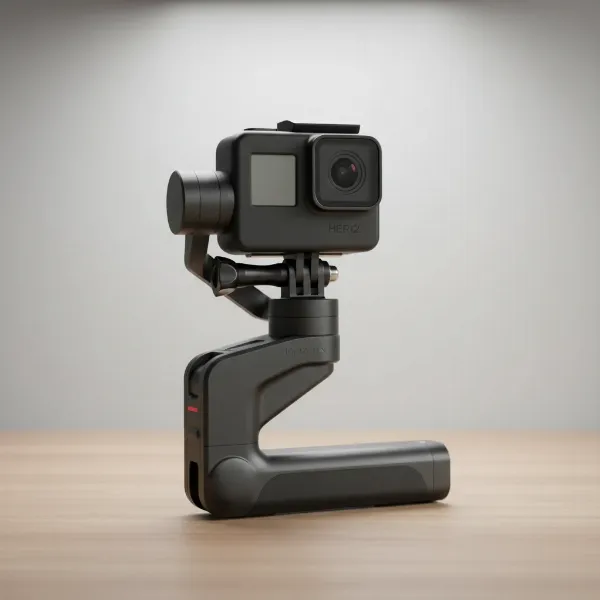
Achieving crisp, cinematic focus is paramount for any videographer, especially when operating a camera on a gimbal. The dynamic nature of stabilized shots often demands precise focus adjustments in real-time, a task that can be challenging for solo operators. This comprehensive guide will illuminate the pathways to seamless focus control, detailing how to connect your camera to your gimbal, whether you leverage your camera’s internal autofocus capabilities or integrate an external follow focus system. With the right setup and understanding, you can elevate your stabilized footage from shaky to stunning, ensuring every frame is perfectly sharp.
Seamless Focus: Your Comprehensive Guide to Camera-Gimbal Connection
The Indispensable Role of Focus Control in Gimbal Videography
|
Our Picks for the Best Washing Machine in 2026
As an Amazon Associate I earn from qualifying purchases.
|
||
| Num | Product | Action |
|---|---|---|
| 1 | COSTWAY Portable Washing Machine, Twin Tub 26 Lbs Capacity, 18 Lbs Washer and 8 Lbs Spinner, Compact Washer with Control Knobs, Timer Function, Drain Pump, Laundry washer for Apartment RV, Blue |

|
| 2 | Giantex Portable Washing Machine, 20lbs Capacity, Twin Tub 2lbs Washer & 8lbs Spinner Combo, Compact for Apartment RV Dorms, Blue & White, GT24267-PE |
|
| 3 | Portable Washing Machine,16L Upgraded Large Capacity Portable Washer With 3 Modes Deep Cleaning.Suitable For Travel, Camping,Apartments, Dormitories, Hotels (Green) |
|
| 4 | Giantex Portable Washing Machine, 21lbs Capacity, 14.4lbs Washer and 6.6Llbs Spinner, Compact for Apartment RV, White & Gray, GT-GE-10390US-GR-FP |
|
| 5 | Giantex Portable Washing Machine, 17.6lbs Compact Washer Spinner Combo with Pump Drain, Twin Tub 11lbs Wash & 6.6lbs Spin, Lavadoras Portatiles for Apartment RV Dorm College (White & Blue) |
|
| 6 | Portable Washing Machine - Compact 2.0 Cu.ft Portable Washer, Full-Automatic Top Loader for Space Saving, Ideal for Apartments, Homes, and Dorms, 10 Wash Cycles, Low Noise, IPX4 with Drain Pump |
|
| 7 | COSTWAY Portable Washing Machine, Twin Tub 26lbs Capacity Laundry, 18lbs Washer and 8lbs Spinner Combo with Timer Knobs, Built-in Drain Pump, Compact Washer for Home Dorm Apartment (Grey+White) |
|
| 8 | COSTWAY Portable Washing Machine, Twin Tub 26lbs Capacity Laundry Washer, 18lbs Washer and 8lbs Spinner Combo with Timer Knobs, Built-in Drain Pump, Compact Washer for Home Dorm Apartment, Blue+White |
|
| 9 | Avanti Portable Compact Washing Machine for Clothes/Laundry, 0.84 Cu. Ft. Capacity, Standard Sink/Faucet Attachment for Apartment, Dorm, RV, White |
|
| 10 | Waterjoy Portable Washing Machines, 7.7 lbs Load Capacity Portable Washer and Dryer Combo with Built-in Barrel Light & LED Display for Household and Apartment (Blue) |
|
In the world of filmmaking, focus is not merely about sharpness; it’s a powerful storytelling tool. Precise focus draws the viewer’s eye, guides their attention, and emphasizes key elements within your frame. When operating a camera on a gimbal, the fluidity of movement adds another layer of complexity to maintaining tack-sharp focus. Trying to physically adjust a lens’s focus ring while simultaneously maneuvering a three-axis stabilizer can be nearly impossible, often leading to shaky footage or missed shots. This is where integrating your camera’s focus control with your gimbal becomes not just a convenience, but a necessity for professional-grade results, allowing for smooth, controlled focus transitions even during complex movements.
Understanding Your Options: Electronic vs. External Focus Control
When it comes to controlling your camera’s focus via a gimbal, you generally have two primary methods: utilizing your camera’s native electronic autofocus system or employing a dedicated external follow focus motor. Each approach offers distinct advantages and is suited for different shooting scenarios and gear configurations. Understanding these differences is the first step toward choosing the best solution for your creative needs.
Electronic Focus Control: Harnessing In-Camera Autofocus
Many modern mirrorless and DSLR cameras boast sophisticated autofocus (AF) systems that can be leveraged directly by your gimbal. This method allows the gimbal to communicate with the camera, often enabling you to trigger autofocus, adjust focus points, or even control manual focus electronically through the gimbal’s interface. It’s an efficient solution for run-and-gun shooting where speed and convenience are prioritized.
Compatibility is Key: Before relying on electronic focus control, it’s crucial to verify the compatibility between your specific camera, lens, and gimbal model. Manufacturers like DJI, Zhiyun, and FeiyuTech provide detailed compatibility lists on their websites, outlining which functions (like trigger autofocus, electronic focus pull) are supported for various camera-lens combinations. A quick check can save you significant setup time and potential frustration.
Connecting Your Camera for Electronic Control: The primary connection for electronic focus control typically involves a multi-camera control cable. These cables (often USB-C to specific camera ports like Sony Multi, Micro-USB, or USB-C) link your camera directly to a designated control port on your gimbal. Some gimbals also support Bluetooth shutter control, which can trigger basic functions like photo capture and sometimes autofocus without a physical cable.
Optimizing In-Camera Autofocus Settings: For the best results, configure your camera’s autofocus settings. Experiment with different AF modes such as AFS (Auto Focus Single) for static subjects or AFC (Auto Focus Continuous) for moving subjects. Adjusting your AF Area mode to “Wide” allows the camera to track subjects across a broad area, while “Spot” or “Zone” modes offer more precise control over a specific region. Features like Eye AF or subject tracking, if available, can also significantly improve focus accuracy when shooting on a gimbal.
Activating Focus via Gimbal: Once connected and configured, many gimbals allow you to trigger autofocus directly from a dedicated button on the gimbal’s handle, often a half-press function that mimics your camera’s shutter button. Some gimbals even feature a built-in dial or joystick that can electronically adjust focus on compatible lenses, providing a more hands-on control experience.
External Follow Focus Systems: Precision for Manual Control
For filmmakers seeking the utmost precision, working with manual focus lenses, or desiring cinematic rack focuses, an external follow focus motor is the ideal choice. This system physically turns the focus ring of your lens, providing tactile and highly repeatable control, independent of your camera’s electronic capabilities.
What is a Follow Focus Motor? A follow focus motor is a small, motorized unit that attaches to your camera rig and engages with the focus ring of your lens. It mechanically rotates the lens to adjust focus, allowing you to pull focus smoothly and accurately using a control wheel on your gimbal, an external remote, or sometimes a smartphone app. These motors often feature brushless designs for quiet operation and precise, repeatable movements.
Key Components of an External Follow Focus Setup:
- Focus Motor: The core unit (e.g., DJI Focus Motor, Zhiyun TransMount Servo Focus/Zoom Controller, FeiyuTech FM1 Brushless Focus Motor).
- Lens Gear Ring/Strip: If your lens doesn’t have built-in gears (common on cinema lenses), a flexible gear strip is attached to the focus ring to allow the motor’s gear to engage.
- Mounting Rod and Rod Clamp: A small rod system is typically used to mount the focus motor securely next to the lens.
- Control Interface: This can be a built-in wheel on the gimbal handle, an accessory focus wheel (like the DJI Focus Wheel), or a smartphone app.
Step-by-Step Installation of an External Focus Motor:
- Prepare Your Gimbal and Camera: Begin by mounting your camera and lens onto the gimbal’s quick-release plate. Perform a rough balance of the setup before adding the focus motor.
- Attach the Lens Gear Ring: If your lens lacks a geared focus ring, carefully attach the flexible gear strip around its focus ring. Ensure it’s snug and centered for smooth operation.
- Mount the Rod and Focus Motor: Secure a mounting rod to your camera cage or the gimbal’s camera plate/riser using a rod clamp. Then, attach the focus motor to this rod, positioning it so its gear aligns perfectly and engages with the lens gear ring. Tighten all clamps to prevent slippage.
- Connect the Focus Motor to Your Gimbal: Use the manufacturer-provided cable (often a USB-C to USB-C or similar) to connect the focus motor to the dedicated focus motor port on your gimbal. This supplies power and transmits control signals.
- Re-balance Your Gimbal: Adding the focus motor and rod system will shift the weight distribution. It’s crucial to re-balance your gimbal precisely to ensure optimal stabilization and motor performance.
- Calibrate the Focus Motor: This is a vital step. The gimbal system needs to learn the physical start and end points of your lens’s focus throw. Most systems offer:
- Automatic Calibration: Often a single button press on the gimbal or in the app initiates a cycle where the motor sweeps the lens from its minimum to maximum focus distance, learning the range.
- Manual A/B Point Setting: For specific scenarios, particularly with cinema lenses that have hard stops, you can manually set “A” and “B” points. This allows for precise, repeatable rack focuses between two chosen focus distances.
Controlling Your Focus Motor: Once installed and calibrated, you can control the focus using various interfaces. Many gimbals have a dedicated control wheel or dial on the handle that can be assigned to focus motor control via the gimbal’s menu or companion app. For more ergonomic control, external focus wheels can be attached to the gimbal or operated wirelessly. Some systems also allow for app-based control, offering a visual interface for precise adjustments.
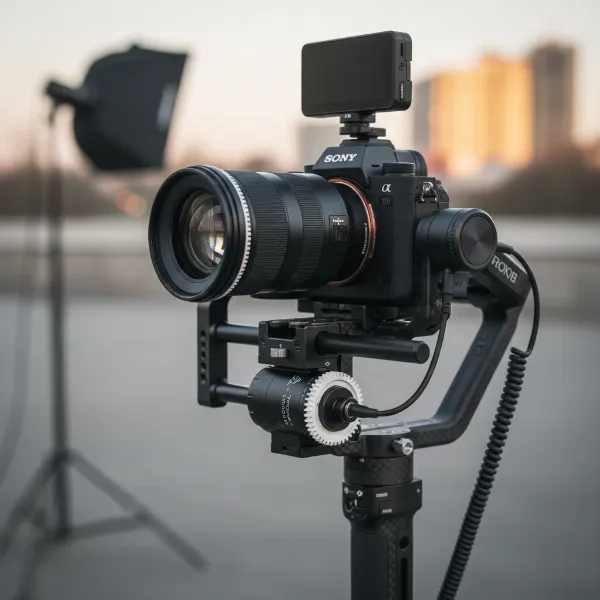 A camera mounted on a gimbal with an external follow focus motor attached to the lens and connected to the gimbal.
Table: Common Gimbal Focus Control Systems Comparison
| Feature | Electronic AF (In-Camera) | External Follow Focus Motor |
|---|---|---|
| Lens Compatibility | Specific AF lenses/cameras | Most manual/autofocus lenses (with gear) |
| Control Method | Gimbal button, camera interface | Gimbal wheel, external wheel, smartphone app |
| Precision | Varies by camera/lens AF quality | High, tactile, repeatable manual control |
| Cost | Low (if compatible) | Additional accessory investment |
| Setup Complexity | Simpler cable/Bluetooth connection | More physical installation, cabling, calibration |
| Ideal Use Case | Run-and-gun, consistent subjects, rapid action | Cinematic pulls, precise marks, manual lenses, rack focus, critical focus shots |
Troubleshooting Common Focus Control Issues
Even with careful setup, you might encounter issues. Here are common problems and their solutions:
- No Focus Response:
- Check Connections: Ensure all cables (camera control cable, focus motor cable) are securely plugged in at both ends.
- Compatibility: Double-check your camera, lens, and gimbal are compatible with the chosen focus control method.
- Power & Settings: Verify the focus motor is powered on and selected as the control function in your gimbal’s menu.
- Re-calibrate: If the motor isn’t responding or moving correctly, recalibration is often the solution.
- Physical Obstructions: Ensure no cables or other accessories are physically blocking the motor or lens ring.
- Inaccurate or Jerky Focus:
- Misaligned Gear: Confirm the focus motor’s gear is perfectly aligned and tightly engaged with the lens gear ring. A loose or misaligned connection will cause slippage.
- Re-calibration: An improperly calibrated motor won’t know the lens’s true focus limits, leading to imprecise movements.
- Lens Behavior: “Focus by wire” lenses (where the focus ring controls focus electronically without hard stops) can sometimes behave less predictably with external motors.
- Gimbal Balance: A poorly balanced gimbal can cause subtle vibrations or resistance that affect focus motor performance.
Advanced Tips for Masterful Focus Pulls
Once your system is connected and functioning, honing your technique is key to achieving truly cinematic results.
- Practice, Practice, Practice: Smooth focus pulls require muscle memory. Spend time practicing rack focuses, tracking moving subjects, and hitting your marks consistently. Repetition is your best teacher.
- Utilize Focus Peaking and Magnification: Modern camera monitors and external displays offer focus peaking (highlighting in-focus areas) and magnification tools. These visual aids are invaluable for confirming critical focus, especially when working with shallow depth of field.
- Understand Depth of Field: Familiarize yourself with how aperture, focal length, and subject distance affect your depth of field. A wider depth of field (higher f-number) provides more latitude for focus errors, while a shallow depth of field demands greater precision.
- Pre-Marking Focus Points: For scenes requiring precise focus transitions, especially with manual follow focus systems, physically mark your focus points on the lens or an external focus wheel. This allows for consistent and repeatable focus pulls during a take.
Conclusion
Connecting your camera to your gimbal for focus control is a transformative step in elevating your videography. Whether you opt for the convenience of your camera’s electronic autofocus or the precise, tactile control of an external follow focus motor, mastering this integration unlocks a new realm of creative possibilities. Always prioritize compatibility, meticulously follow installation and calibration steps, and embrace regular practice to hone your skills. By understanding and implementing these techniques, you’ll be well-equipped to capture stunning, in-focus stabilized footage that truly engages your audience.
What new focus control innovations are you most excited to see integrated into future gimbal setups?
Frequently Asked Questions
Do I need a follow focus motor if my camera has good autofocus?
While modern autofocus systems are highly capable, an external follow focus motor provides unparalleled manual control for cinematic focus pulls, precise rack focuses, and working with manual lenses. It gives you direct, repeatable control over your focus points, often preferred for narrative filmmaking where precise, consistent focus transitions are critical.
Can I use any lens with a follow focus motor?
Most lenses can be used with an external follow focus motor, especially if they have a physical focus ring. Lenses without built-in gears will require a separate, flexible gear strip to be attached to their focus ring for the motor’s gear to engage. Lenses with “focus by wire” mechanisms can be more challenging due to their non-linear and sometimes inconsistent focus throw.
How often should I calibrate my focus motor?
You should calibrate your focus motor every time you change the lens on your setup, or if you notice any inconsistencies in focus control. Calibration ensures the motor accurately learns the physical travel limits (minimum and maximum focus distances) of your current lens’s focus ring, guaranteeing precise and responsive control.
What are A/B points in focus motor calibration?
A/B points are specific start and end focus positions you can set on your lens during the calibration process. This feature allows the focus motor to “know” a precise range for a rack focus, enabling repeatable and accurate transitions between two predetermined focus points (e.g., from a foreground object to a background subject) during a shot.
Can I control zoom with a focus motor?
Yes, many external focus motors are designed with versatility in mind and can often control either focus or zoom. For zoom control, the motor is typically attached to the zoom ring of a compatible lens. Some advanced gimbal systems and follow focus units allow for simultaneous control of both focus and zoom, or offer a quick switch between the two functions.