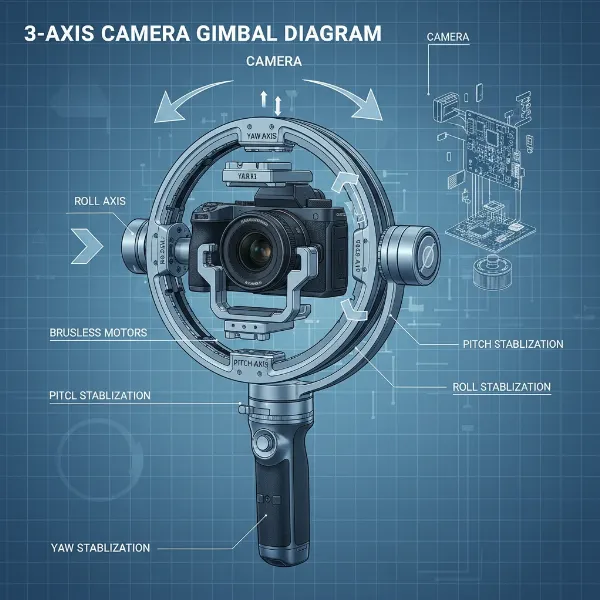
Capturing smooth, cinematic footage relies heavily on a perfectly functioning gimbal. Few things are as frustrating as powering up your device, only to find the gimbal unresponsive, vibrating erratically, or its motors simply refusing to engage – a common issue often referred to as “gimbal limp mode.” This state renders your stabilizer effectively useless, putting a sudden halt to your creative endeavors. Understanding why your gimbal enters this mode and how to systematically diagnose and resolve the problem is crucial for any drone pilot or videographer.
This comprehensive guide will walk you through the most common causes behind gimbal motors turning off or becoming unresponsive and provide actionable, step-by-step solutions to get your equipment back to optimal performance. From basic physical checks to advanced firmware and calibration procedures, we’ll equip you with the knowledge to troubleshoot effectively and minimize downtime.
 Frustrated videographer with a malfunctioning gimbal showing limp mode, unable to capture smooth footage
Understanding Gimbal Limp Mode and Its Causes
When a gimbal enters “limp mode,” its motors often lose power, become unresponsive, or exhibit erratic, jerky movements rather than providing smooth stabilization. This protective response is typically triggered by the gimbal’s internal systems detecting an issue that could lead to damage if normal operation continued. It’s the gimbal’s way of telling you something is wrong and preventing further complications.
Several factors can lead to this frustrating state, ranging from simple oversight to more complex technical glitches. Identifying the root cause is the first step toward a successful resolution. Common culprits include physical obstructions, improper balancing, outdated software, calibration errors, and even environmental conditions. Addressing these underlying issues systematically will help you restore your gimbal’s full functionality and ensure your footage remains perfectly stable.
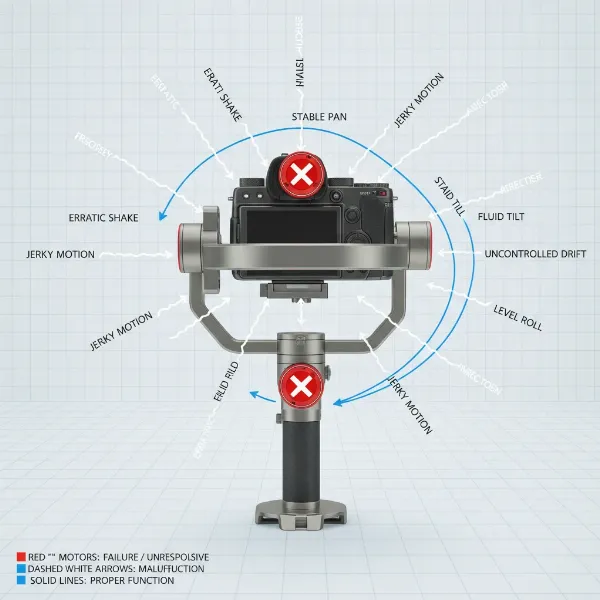 Diagram illustrating a gimbal with unresponsive motors, demonstrating erratic and jerky movements
Step-by-Step Troubleshooting Guide for Gimbal Motor Issues
When your gimbal’s motors act up, a methodical approach to troubleshooting is your best strategy. Start with the simplest checks and gradually move to more technical solutions. This process helps pinpoint the exact problem without unnecessary complications.
1. Basic Checks and Physical Inspection
|
Our Picks for the Best Washing Machine in 2026
As an Amazon Associate I earn from qualifying purchases.
|
||
| Num | Product | Action |
|---|---|---|
| 1 | Giantex Portable Washing Machine, 17.6lbs Compact Washer Spinner Combo with Pump Drain, Twin Tub 11lbs Wash & 6.6lbs Spin, Lavadoras Portatiles for Apartment RV Dorm College (White & Blue) |

|
| 2 | Portable Washing Machine,16L Upgraded Large Capacity Portable Washer With 3 Modes Deep Cleaning.Suitable For Travel, Camping,Apartments, Dormitories, Hotels (Green) |
|
| 3 | COSTWAY Portable Washing Machine, Twin Tub 26lbs Capacity Laundry Washer, 18lbs Washer and 8lbs Spinner Combo with Timer Knobs, Built-in Drain Pump, Compact Washer for Home Dorm Apartment, Blue+White |
|
| 4 | Giantex Portable Washing Machine, 21lbs Capacity, 14.4lbs Washer and 6.6Llbs Spinner, Compact for Apartment RV, White & Gray, GT-GE-10390US-GR-FP |
|
| 5 | Giantex Portable Washing Machine, 20lbs Capacity, Twin Tub 2lbs Washer & 8lbs Spinner Combo, Compact for Apartment RV Dorms, Blue & White, GT24267-PE |
|
| 6 | Waterjoy Portable Washing Machines, 7.7 lbs Load Capacity Portable Washer and Dryer Combo with Built-in Barrel Light & LED Display for Household and Apartment (Blue) |
|
| 7 | Avanti Portable Compact Washing Machine for Clothes/Laundry, 0.84 Cu. Ft. Capacity, Standard Sink/Faucet Attachment for Apartment, Dorm, RV, White |
|
| 8 | COSTWAY Portable Washing Machine, Twin Tub 26 Lbs Capacity, 18 Lbs Washer and 8 Lbs Spinner, Compact Washer with Control Knobs, Timer Function, Drain Pump, Laundry washer for Apartment RV, Blue |
|
| 9 | Portable Washing Machine - Compact 2.0 Cu.ft Portable Washer, Full-Automatic Top Loader for Space Saving, Ideal for Apartments, Homes, and Dorms, 10 Wash Cycles, Low Noise, IPX4 with Drain Pump |
|
| 10 | COSTWAY Portable Washing Machine, Twin Tub 26lbs Capacity Laundry, 18lbs Washer and 8lbs Spinner Combo with Timer Knobs, Built-in Drain Pump, Compact Washer for Home Dorm Apartment (Grey+White) |
|
Often, the simplest solutions are the most overlooked. Before diving into complex technical fixes, perform a thorough physical inspection of your gimbal. These initial steps can resolve a significant percentage of “limp mode” incidents.
First, check for obstructions. Ensure that all gimbal clamps, protective covers, and locking pins have been completely removed. It’s surprisingly easy to forget a small piece of protective gear, which can prevent the gimbal from moving freely and lead to motor overload errors. Also, inspect for any foreign debris, dust, or small objects that might be lodged in the gimbal’s joints or around the motors. Even a tiny speck can impede movement.
Next, focus on balancing and weight. Your camera or smartphone must be perfectly balanced on the gimbal. If the weight is unevenly distributed, the motors have to work harder, leading to strain and potential overload warnings. Always perform a manual balance check: when the gimbal is off, the camera should remain level in all axes without motor assistance. Additionally, ensure the total weight of your camera setup, including lenses and accessories, does not exceed the gimbal’s maximum payload capacity. Exceeding this limit will invariably cause motor strain and lead to limp mode.
Lastly, verify all axes are properly unlocked. Many gimbals feature physical locks for each axis (pan, tilt, roll) to secure them during transport. Confirm that all these locks are disengaged before powering on the device. An unlocked motor trying to move against a physical lock is a direct path to error messages and limp mode.
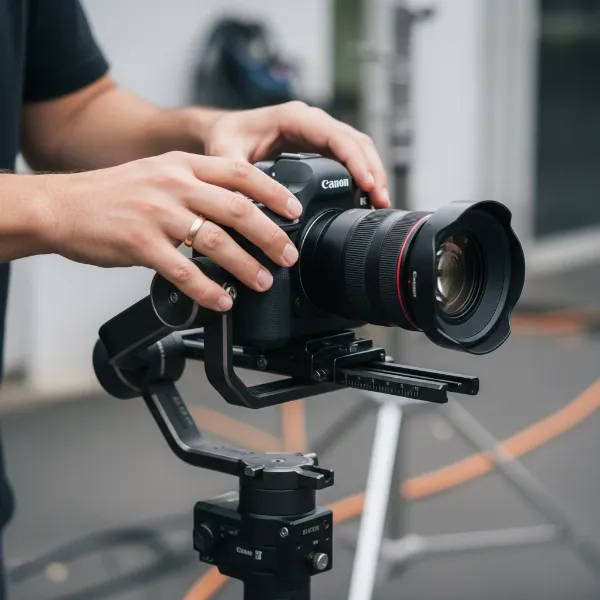 Hands meticulously balancing a camera on a gimbal, ensuring proper weight distribution for optimal performance
2. Software and Firmware Solutions
If physical checks don’t resolve the issue, the problem might lie within the gimbal’s internal software or firmware. Keeping these components updated and correctly configured is vital for smooth operation.
Begin by performing firmware updates. Outdated firmware is a leading cause of gimbal tracking problems and motor errors. Check for and install the latest firmware versions for your gimbal, the drone (if applicable), its controller, and the accompanying mobile application. Manufacturers frequently release updates to fix bugs, improve performance, and enhance stability. Use the official app or desktop software provided by the manufacturer to ensure a safe and complete update process.
After updating, or if no updates are available, gimbal and IMU calibration are crucial steps. These calibrations teach your gimbal its neutral position and how to react to movement. An Inertial Measurement Unit (IMU) calibration helps the gimbal understand its orientation in space, correcting issues like a tilted horizon. Most gimbals have a calibration option within their control app. Ensure the gimbal is placed on a perfectly flat and stable surface during calibration for accurate results. Follow the on-screen instructions carefully.
If problems persist, consider a gimbal reset. There are typically two types: a Bluetooth reset (if applicable) and a full factory reset. A factory reset will revert all gimbal settings to their default values, clearing any corrupted configurations. This option is usually found in the advanced settings section of the gimbal’s companion app. Be aware that a factory reset will erase any custom profiles or settings you may have configured.
Finally, a simple yet effective step is to restart all devices. Power down your gimbal, camera/phone, drone (if applicable), and controller. Wait for a minute or two, then power them back on in the recommended sequence (usually gimbal first, then camera/drone, then controller). This can often clear temporary software glitches and refresh connections.
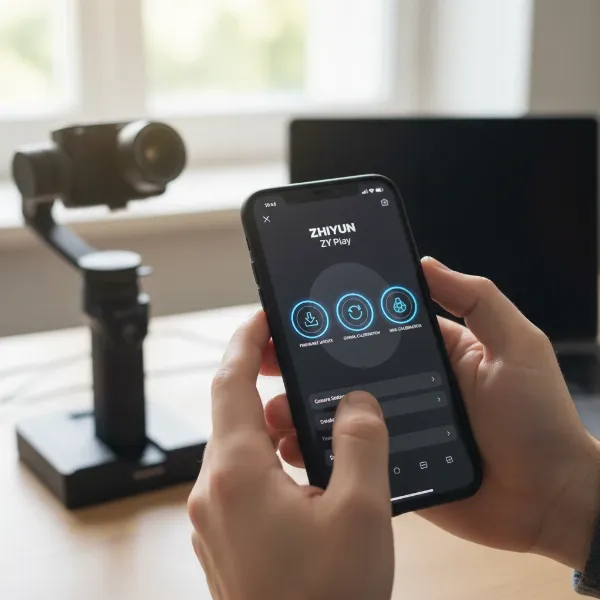 Smartphone screen displaying a gimbal's companion app with firmware update or calibration options visible
3. Environmental and Operational Factors
Environmental conditions can also impact your gimbal’s performance, sometimes leading to limp mode. Understanding these factors can help prevent future issues.
Temperature is a significant factor, especially extreme cold. Gimbals, like many electronic devices, are designed to operate within a specific temperature range. In very cold environments, motor lubricants can thicken, and battery performance can degrade, causing motors to struggle or shut down. If you’re operating in cold weather, allow your gimbal to warm up gradually indoors before use. Some users report that after a period of warming up, a firmware refresh may be needed to resolve cold-induced issues.
Similarly, moisture from dense fog or rain can dampen the gimbal’s electronics, leading to temporary failure. If your gimbal has been exposed to such conditions, power it off immediately and allow it to dry out completely in a well-ventilated area before attempting to use it again. Do not apply heat, as this can cause further damage.
Remember to avoid overloading the gimbal’s motors by manually forcing its movement. When the gimbal is powered on, its motors are actively stabilizing. Forcing it to move beyond its natural range or twisting it manually can damage the motors or internal gears, leading to persistent issues. Always use the controls provided by the manufacturer.
 Gimbal operating in cold weather, possibly with condensation, emphasizing environmental impact and protection
4. Advanced Issues and When to Seek Professional Help
After trying all the above troubleshooting steps, if your gimbal continues to enter limp mode, the issue might be more severe, indicating a hardware problem. This is when professional intervention becomes necessary.
Physical damage to crucial components like anti-vibration dampeners, rubber balls, or internal wiring can cause instability and motor issues. If you notice any visible damage or suspect internal component failure, attempting DIY repairs without proper expertise can worsen the situation.
Persistent issues, especially those accompanied by unusual noises, burning smells, or continuous error messages despite all troubleshooting, often point to internal hardware failure. This could be anything from a faulty motor to a damaged main board or sensor.
| Symptom / Cause | Common Solutions |
|---|---|
| Motors unresponsive | Obstruction check, Unlock axes, Power cycle |
| Tilted horizon | Gimbal/IMU Calibration, Firmware update |
| Motor overload error | Check weight/balance, Remove obstructions |
| Erratic movement | Firmware update, Gimbal reset, Calibration |
| Cold weather issues | Warm up device, Firmware refresh after warming |
| Unresponsive controls | App/controller firmware, Bluetooth reset, Restart |
“Many gimbal issues that seem complex at first glance can often be resolved with thorough physical checks and a systematic approach to software updates and calibration. Don’t underestimate the power of a simple restart or firmware refresh.” – Alex Chen, Drone Repair Specialist
Proactive Maintenance for Gimbal Longevity
Preventing gimbal limp mode is always better than fixing it. Adopting a routine of proactive maintenance can significantly extend the life and reliability of your stabilizer.
Regular cleaning of your gimbal’s joints and surface areas helps prevent dust and debris buildup that could hinder motor movement. Use a soft, dry cloth and avoid harsh chemicals.
Proper storage is essential. Always store your gimbal in its protective case when not in use, and engage any travel locks to prevent accidental movement and stress on the motors. Keep it in a dry, room-temperature environment away from extreme heat or cold.
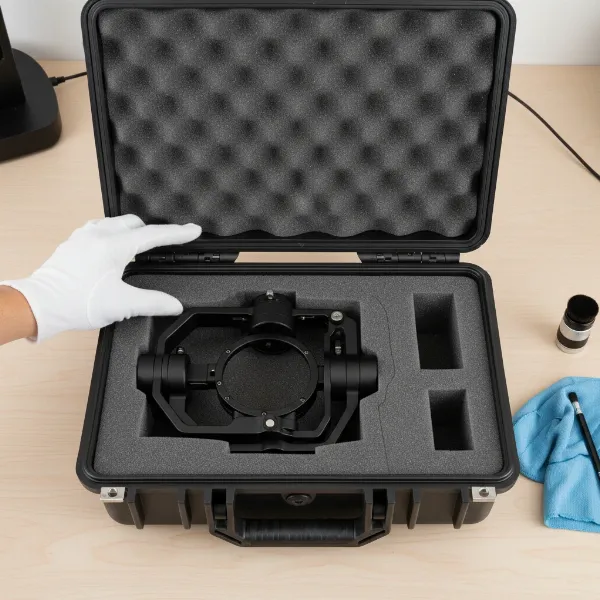 Gimbal being carefully placed into its custom protective case for safe storage, emphasizing longevity
Always make it a habit to remove all physical locks and covers before powering on your gimbal. This simple step prevents motor strain and ensures the gimbal can articulate freely from the start.
Continuously keep firmware updated for your gimbal, drone, and associated apps. Manufacturers regularly release updates that improve stability, add features, and fix bugs that could lead to performance issues.
Finally, balance your camera or phone properly before every use. A well-balanced setup reduces the workload on the gimbal motors, extending their lifespan and preventing overheating or overload errors. This routine only takes a minute but makes a significant difference.
Conclusion
Encountering gimbal limp mode or motors turning off can be a frustrating experience, but with a systematic troubleshooting approach, many of these issues are resolvable. From ensuring physical obstructions are cleared and your setup is perfectly balanced, to keeping your firmware updated and performing essential calibrations, each step plays a crucial role in maintaining your gimbal’s optimal performance. Proactive maintenance, including regular cleaning and proper storage, further safeguards your equipment against future malfunctions. By following the advice in this guide, you’re not just fixing a problem; you’re investing in the longevity and reliability of your creative tools.
What’s your most memorable experience with troubleshooting gimbal limp mode, and how did you resolve it?
Frequently Asked Questions
What does “gimbal motor overload” mean?
“Gimbal motor overload” indicates that the gimbal’s motors are struggling to maintain stability, often due to excessive weight, poor balancing, or a physical obstruction preventing free movement. To fix it, check your balance, remove any accessories that might be too heavy, and ensure nothing is blocking the gimbal’s axes.
How often should I calibrate my gimbal?
You should calibrate your gimbal whenever you notice issues like a tilted horizon, erratic movement, or after a firmware update. Regular calibration isn’t always necessary for perfect performance, but it’s a key troubleshooting step if something feels off.
Can cold weather permanently damage my gimbal?
Typically, cold weather causes temporary performance issues like sluggish motors or limp mode due to thickened lubricants or reduced battery efficiency. Permanent damage is unlikely unless the gimbal is subjected to extreme, prolonged cold without proper care, or if internal components freeze and expand.
Is it safe to fly a drone with a limp gimbal?
No, it is generally not safe to fly a drone with a malfunctioning or “limp” gimbal. An unstable gimbal can interfere with the drone’s flight stability, consume excessive battery power, or even cause a crash if it obstructs propellers. Always resolve gimbal issues on the ground before flight.