Ever had one of those laundry days where things just go… wrong? You open your high-efficiency washing machine to find a mountain of suds, or worse, your clothes come out feeling stiff and not quite clean. The culprit might not be your machine, but what you’re feeding it. The great He Detergent Vs Regular Detergent debate is more than just marketing jargon; it’s fundamental to getting the clean you expect and protecting your appliance. As the folks who live and breathe washing machine technology here at Washing Machine Co., we’re here to clear the air (and the suds) once and for all.
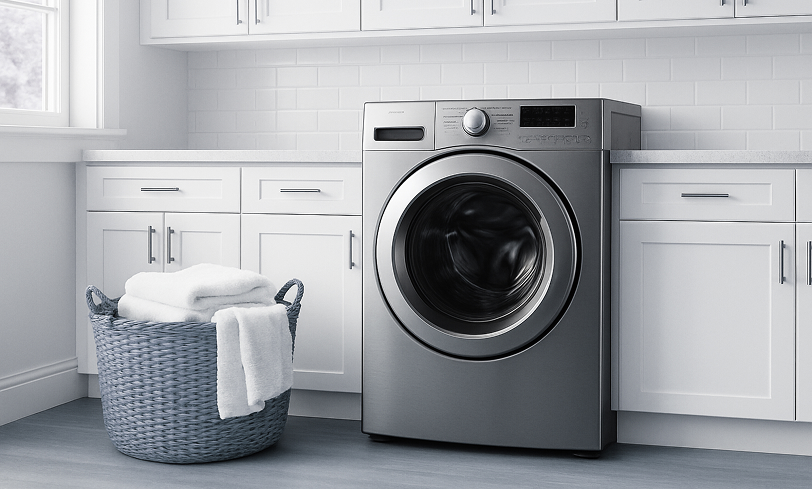
Why Your Choice of Washing Machine Matters
Before we dive into the soapbox, let’s talk about the hardware. Choosing the right washing machine is the first step in achieving laundry nirvana. It’s not just about capacity; it’s about technology, efficiency, and how the machine is designed to work with modern detergents.
Think of it like a car. You wouldn’t put diesel in a gasoline engine, right? The same principle applies here. Using the wrong “fuel” in your washing machine can lead to poor performance and even long-term damage.
The Main Players: A Quick Washer Breakdown
To understand the detergent dilemma, you first need to know your machine. Generally, they fall into three camps:
- Traditional Top-Load Washers: These are the old-school workhorses many of us grew up with. They use a central agitator and a whole lot of water to swish clothes clean.
- High-Efficiency (HE) Top-Load Washers: These look similar to their traditional cousins but operate very differently. They use an impeller or a wash plate instead of an agitator, using significantly less water and a gentler washing action.
- Front-Load Washers: These machines are, by design, high-efficiency. They tumble clothes through a small pool of water, saving a massive amount on both water and the energy needed to heat it.
HE Detergent vs Regular Detergent: What’s the Real Difference?
So, you’ve identified your machine. Now for the main event. At first glance, the bottles look similar, but the science inside is worlds apart. The core of the he detergent vs regular detergent discussion boils down to one simple thing: suds.
The Suds Situation: Why Less is More
Regular detergents are formulated to create a rich, thick lather. In a traditional, high-water washer, these suds are suspended in a large volume of water, where they help lift dirt and are then easily rinsed away. It’s the classic image of a soapy wash.
HE detergents, on the other hand, are low-sudsing. They are engineered to work in a low-water environment. Think about a front-loader: it tumbles clothes, picking up a concentrated mix of water and detergent and then dropping them. Too many suds would cushion the clothes, preventing the effective friction needed to get them clean.
A Word From The Field: John Carter, an appliance technician with over 15 years of experience, puts it best: “I see it all the time. A customer calls me because their brand-new HE washer is leaking or throwing error codes. Nine times out of ten, they’re using up their old regular detergent. The machine creates so many suds it can’t drain them properly, causing a ‘suds lock’ that confuses the sensors and can even force foamy water out of the machine.”
The Chemical Breakdown: Smart Soap
It’s not just about bubbles. HE detergents contain different ingredients that are designed to hold soil and dyes in suspension in a low volume of water, preventing them from redepositing onto your clothes. They are quick-dispersing and specially formulated to rinse away cleanly without needing gallons and gallons of water.
Why Can’t I Just Use a Little Bit of Regular Detergent in an HE Washer?
This is the most common question we get, and it’s a tempting shortcut. The logic seems sound: less soap should mean fewer suds. Unfortunately, it doesn’t work that way.
The problem is that regular detergent is designed to produce suds, no matter the quantity. Even a small amount in an HE machine’s low-water, high-agitation environment can create a sudsy nightmare. Here’s what happens:
- Poor Cleaning Performance: The excessive suds cushion the clothes, preventing the mechanical scrubbing action of the washer. Your clothes are essentially getting a gentle foam bath, not a proper wash.
- Rinsing Failure: The machine’s rinse cycles are calibrated for low-sudsing detergent. They can’t effectively remove the thick lather of regular soap, leaving a sticky residue on your clothes and inside your machine. This can lead to skin irritation and dull, stiff fabrics.
- Mold and Mildew Buildup: That leftover detergent residue is a perfect food source for mold and bacteria, leading to that musty smell that plagues many front-load washers.
- Machine Damage: Oversudsing can cause the machine’s pump to overheat and can damage the electronic sensors that control water level and cycle progression. This can lead to costly repairs and even void your manufacturer’s warranty.
The bottom line: It’s just not worth the risk. Always look for the ‘he’ symbol on your detergent bottle.
How Do I Know If I Have an HE Washer?
Not sure what kind of machine you have? It’s easy to check.
- Look for the Logo: Most HE washing machines have the
hesymbol clearly displayed on the control panel or lid. - Check the Detergent Drawer: Front-loaders are always HE. For top-loaders, if you open the lid and see a wash plate at the bottom instead of a tall, central agitator, you have an HE model.
- Consult Your Manual: The user manual is your best friend. It will explicitly state what kind of detergent to use.
Mẹo sử dụng HE Detergent vs Regular Detergent hiệu quả và tiết kiệm
Using the right detergent is half the battle; using it correctly is how you win the war on laundry.
Master the Measuring Cap
More is not better. Overdosing even with HE detergent can lead to residue buildup. The measurement lines on the cap are there for a reason!
- For Normal Loads: Use the lowest line (often marked ‘1’).
- For Large or Heavily Soiled Loads: Use the next line up (often ‘2’ or ‘3’).
- Never Fill to the Top: Unless you’re washing a mountain of muddy football uniforms, you rarely need a full cap.
Water Hardness Matters
If you live in an area with hard water (high mineral content), you may need to use slightly more detergent. Conversely, with soft water, you should use less. The minerals in hard water interfere with the detergent’s cleaning power, while soft water makes detergent more efficient and sudsy.
Can You Use HE Detergent in a Regular Washer?
What about the reverse situation? Yes, you can. It’s perfectly safe to use HE detergent in a traditional top-load washer. You just won’t see a lot of suds, which can be disconcerting if you’re used to them. You may need to use a bit more HE detergent in an old-school washer than you would in an HE machine to get the same cleaning power, so check the bottle’s instructions.
Frequently Asked Questions
Q: What is the main difference in HE detergent vs regular detergent?
A: The primary difference is the sudsing level. HE (High-Efficiency) detergent is a low-sudsing formula designed for low-water washing machines, while regular detergent creates a lot of suds and is meant for traditional, high-water washers.
Q: What happens if I accidentally use regular detergent in my HE washer once?
A: One accidental use isn’t likely to cause permanent damage. You’ll probably notice excessive suds. Run an empty rinse and spin cycle (or a “clean washer” cycle) with no added detergent to help flush out the excess suds and residue.
Q: Is HE detergent more expensive?
A: While the price per bottle might be slightly higher, HE detergents are more concentrated. You use less per load, so the cost-per-wash is often very similar or even cheaper than regular detergent, especially when you factor in the water and energy savings from your HE machine.
Q: How can I get rid of the residue from using the wrong detergent?
A: To remove buildup, run a “clean washer” cycle or the hottest water cycle available with a washing machine cleaning tablet or a cup of white vinegar. Do this monthly to keep your machine fresh and performing optimally.
Q: Are detergent pods HE compatible?
A: Most laundry pods sold today are HE compatible, as they are formulated to be low-sudsing and highly concentrated. However, always double-check the packaging for the ‘he’ symbol to be sure.
The Final Spin
The he detergent vs regular detergent choice is crystal clear: if you own a high-efficiency washing machine, you must use HE detergent. It’s not a suggestion; it’s a requirement for getting your clothes truly clean, saving money on water and energy, and ensuring your Washing Machine lives a long, healthy life. By pairing the right appliance with the right detergent, you’re not just doing laundry—you’re investing in a smarter, more efficient home. And that’s a decision that always comes out in the wash.