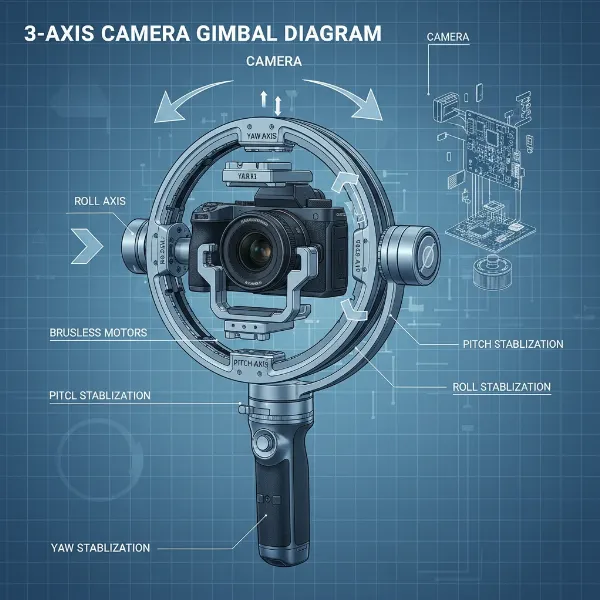
Imagine capturing breathtakingly smooth, cinematic video that elevates your vlogs, travel films, or creative projects. While compact cameras like the popular Sony ZV-1 offer fantastic image quality, achieving that professional, fluid motion often requires an external stabilizer. This comprehensive guide will navigate the world of gimbals, helping you find the perfect match to unleash your Sony ZV-1’s full potential and transform shaky footage into captivating visual stories.
Understanding Gimbal Types and Their Benefits
Gimbals are sophisticated devices that use motorized axes and intelligent sensors to keep your camera perfectly level and smooth, counteracting unwanted shakes and bumps. For most modern video production, a 3-axis gimbal is the standard, offering stabilization across the pan (horizontal rotation), tilt (vertical rotation), and roll (sideways rotation) axes. This multi-axis compensation delivers the “floating” camera effect that in-body image stabilization alone often cannot replicate, especially when you’re on the move.
The market offers various gimbal types, from lightweight smartphone stabilizers to robust models designed for heavy cinema cameras. For compact cameras like the Sony ZV-1, you’ll typically look at smaller, more agile handheld gimbals. Some are designed specifically for phones but might accommodate very light compact cameras, while others are built as “hybrid” gimbals, capable of supporting both smartphones and small mirrorless or compact cameras. Choosing the right type ensures optimal performance and a comfortable shooting experience.
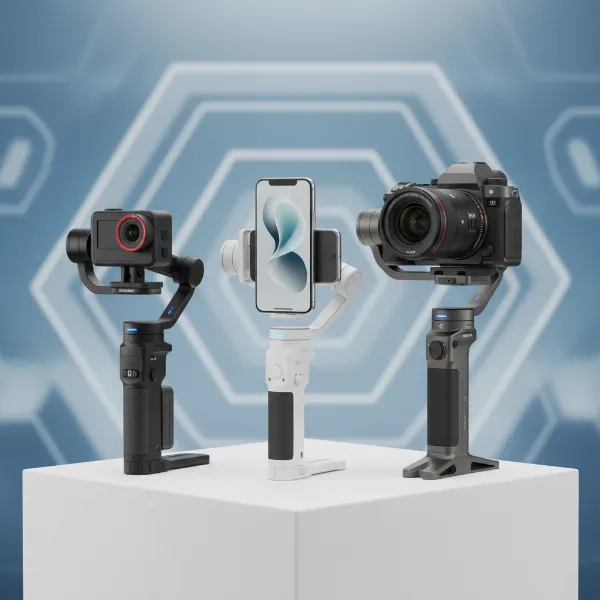 Illustrates different types of gimbals for compact cameras and smartphones.
Key Factors to Consider When Buying a Gimbal for Your Compact Camera
Selecting the ideal gimbal involves evaluating several critical aspects to ensure seamless compatibility and top-notch performance with your Sony ZV-1 or similar compact camera.
Payload Capacity is Paramount
|
Our Picks for the Best Washing Machine in 2026
As an Amazon Associate I earn from qualifying purchases.
|
||
| Num | Product | Action |
|---|---|---|
| 1 | Avanti Portable Compact Washing Machine for Clothes/Laundry, 0.84 Cu. Ft. Capacity, Standard Sink/Faucet Attachment for Apartment, Dorm, RV, White |

|
| 2 | Giantex Portable Washing Machine, 17.6lbs Compact Washer Spinner Combo with Pump Drain, Twin Tub 11lbs Wash & 6.6lbs Spin, Lavadoras Portatiles for Apartment RV Dorm College (White & Blue) |
|
| 3 | Portable Washing Machine,16L Upgraded Large Capacity Portable Washer With 3 Modes Deep Cleaning.Suitable For Travel, Camping,Apartments, Dormitories, Hotels (Green) |
|
| 4 | Waterjoy Portable Washing Machines, 7.7 lbs Load Capacity Portable Washer and Dryer Combo with Built-in Barrel Light & LED Display for Household and Apartment (Blue) |
|
| 5 | Giantex Portable Washing Machine, 20lbs Capacity, Twin Tub 2lbs Washer & 8lbs Spinner Combo, Compact for Apartment RV Dorms, Blue & White, GT24267-PE |
|
| 6 | Portable Washing Machine - Compact 2.0 Cu.ft Portable Washer, Full-Automatic Top Loader for Space Saving, Ideal for Apartments, Homes, and Dorms, 10 Wash Cycles, Low Noise, IPX4 with Drain Pump |
|
| 7 | Giantex Portable Washing Machine, 21lbs Capacity, 14.4lbs Washer and 6.6Llbs Spinner, Compact for Apartment RV, White & Gray, GT-GE-10390US-GR-FP |
|
| 8 | COSTWAY Portable Washing Machine, Twin Tub 26lbs Capacity Laundry, 18lbs Washer and 8lbs Spinner Combo with Timer Knobs, Built-in Drain Pump, Compact Washer for Home Dorm Apartment (Grey+White) |
|
| 9 | COSTWAY Portable Washing Machine, Twin Tub 26 Lbs Capacity, 18 Lbs Washer and 8 Lbs Spinner, Compact Washer with Control Knobs, Timer Function, Drain Pump, Laundry washer for Apartment RV, Blue |
|
| 10 | COSTWAY Portable Washing Machine, Twin Tub 26lbs Capacity Laundry Washer, 18lbs Washer and 8lbs Spinner Combo with Timer Knobs, Built-in Drain Pump, Compact Washer for Home Dorm Apartment, Blue+White |
|
The most crucial factor is the gimbal’s payload capacity, which dictates the maximum weight it can effectively stabilize. It’s not just the camera body you need to consider, but also any accessories you plan to mount, such as external microphones, small LED lights, or wide-angle adapters. Overloading a gimbal can lead to jerky footage, strained motors, and premature wear. While compact cameras are light, adding a cage, a microphone, and a light can quickly increase the total weight, so always check the combined payload against the gimbal’s specifications.
Camera Compatibility and Form Factor
Beyond weight, the physical compatibility and design of the gimbal arms are vital. Some compact cameras, including the Sony ZV-1 II, have all their crucial ports (USB-C, HDMI, microphone) located on one side. If a gimbal’s roll or tilt arm extends too close to these ports, it can obstruct access, preventing you from using external mics or charging the camera while mounted. Look for gimbals with thoughtful designs that allow clear access to ports or feature adjustable arms that can be positioned to avoid interference.
Portability and Weight for On-the-Go Creators
One of the main advantages of a compact camera like the ZV-1 is its portability. Your gimbal should complement this. Prioritize lightweight, foldable designs that can easily fit into your camera bag or backpack without adding significant bulk. For vloggers and travel content creators, a cumbersome gimbal defeats the purpose of a compact setup. Look for models that can be quickly deployed and packed away, streamlining your workflow.
Battery Life and Charging Options
Long shooting sessions demand excellent battery life. Most modern gimbals offer impressive runtimes, often ranging from 8 to 14 hours, sometimes even more. Consider whether the gimbal has an integrated or swappable battery. Integrated batteries offer a sleeker design but mean you’ll need to charge the entire unit when it runs out. Swappable batteries provide the flexibility to carry spares and quickly replace them in the field, minimizing downtime during critical shoots. USB-C charging is a common and convenient feature, allowing you to power up with portable power banks.
Ease of Use and Balancing
Gimbals require precise balancing to work effectively. While there’s always a slight learning curve, some models are designed for quicker, tool-free setup and balancing. Features like automatic axis locks, quick-release plates, and fine-tuning knobs can significantly reduce setup time and frustration. For users who frequently switch between handheld and gimbal shooting, or between different camera setups, a gimbal that’s easy to balance and rebalance is a huge advantage.
Advanced Features for Enhanced Creativity
Modern gimbals come packed with features that can enhance your video production:
- AI Subject Tracking: A built-in sensor or companion app that automatically tracks a subject, perfect for solo creators.
- Built-in Fill Light: Some gimbals include small LED lights, useful for vlogging in low-light conditions.
- Touchscreens and Physical Controls: Intuitive touchscreens and well-placed physical buttons/joysticks offer quick access to modes and settings without needing a smartphone app.
- Vertical Shooting Mode: Essential for social media content, allowing you to quickly switch between horizontal and vertical orientations.
- Quick Release Plates: Enable fast mounting and dismounting of your camera.
Build Quality and Ergonomics
A good gimbal should feel robust and comfortable to hold, especially during extended shoots. Ergonomic grips, adjustable sling handles, and wrist rests can help distribute weight and reduce fatigue. High-quality materials ensure durability and reliability, important for protecting your valuable camera gear.
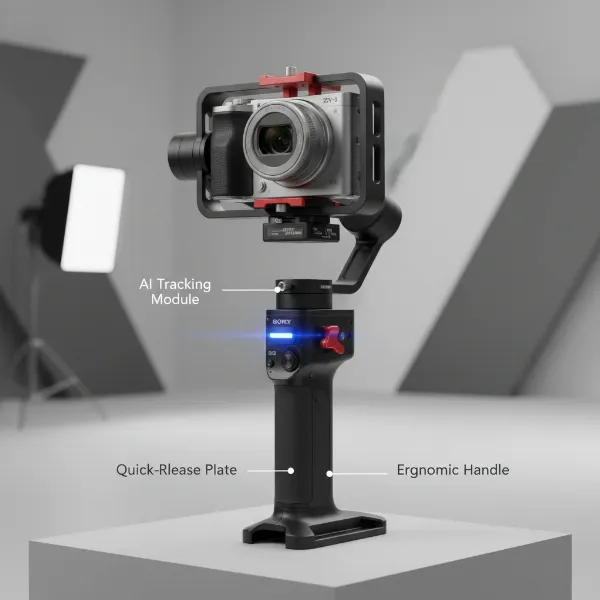 Highlights key features of a compact camera gimbal: AI tracking, quick release, comfortable grip.
Popular Gimbal Brands and Models for Compact Cameras
Several manufacturers offer excellent gimbals suitable for compact cameras like the Sony ZV-1. Here’s a look at some prominent options:
Zhiyun
Zhiyun is a well-regarded brand known for its versatile gimbals.
- Zhiyun Crane M2/M3S: These are popular choices for compact cameras due to their compact size and multi-device compatibility (smartphones, action cameras, compact mirrorless, and compact cameras). However, some users have reported that the Crane M3S’s arm can block ports on the Sony ZV-1 II, which is a significant consideration. Balancing might also take some practice. The Weebill 3S offers good stabilization and comfort with its ergonomic design, suitable for slightly heavier mirrorless setups but still compact enough for many users.
DJI
DJI is a leader in stabilization technology, famous for its drones and Ronin series gimbals.
- DJI RS 4 Mini: This gimbal is an excellent option for light mirrorless and compact cameras, offering professional-grade stabilization in an exceptionally small package. It supports payloads up to 4.4 pounds (2kg), features intuitive auto-axis locks, and provides a tool-free setup. Its portability and performance make it a strong contender for vloggers.
- DJI Osmo Pocket 3: While not a standalone gimbal for your ZV-1, the Osmo Pocket 3 is a compelling alternative. It’s a tiny, handheld camera with a built-in 3-axis gimbal, offering incredible portability and excellent 4K video quality. If you want ultra-compact, all-in-one vlogging solution without the hassle of mounting and balancing a separate camera, this is worth considering.
FeiyuTech
FeiyuTech offers innovative gimbals often incorporating advanced features.
- FeiyuTech Scorp Mini 3 Pro: Positioned as an excellent choice for compact cameras, this gimbal is lightweight and packed with features like effective long-range AI tracking and intuitive touchscreen controls. It supports hybrid flexibility, working with mirrorless cameras, action cameras, and smartphones, making it a versatile tool for content creators.
- FeiyuTech Scorp 2: A budget-friendly option, the Scorp 2 also includes a built-in AI tracker, eliminating the need for external modules for subject tracking. It offers a dual-grip design for flexible shooting angles.
Hohem
Hohem provides a range of gimbals focusing on versatility and user experience.
- Hohem iSteady MT3 Pro: This gimbal is highly versatile, capable of handling most cameras thanks to its decent maximum payload. It includes useful features like AI subject tracking, a built-in light, and impressive battery life, making it a strong hybrid choice for compact cameras and smartphones alike.
Comparison Table of Popular Gimbals for Compact Cameras
| Feature / Model | DJI RS 4 Mini | Zhiyun Crane M3S* | FeiyuTech Scorp Mini 3 Pro | Hohem iSteady MT3 Pro |
|---|---|---|---|---|
| Payload Capacity | Up to 4.4 lbs (2 kg) | ~2.2 lbs (1 kg) | Up to 2.2 lbs (1 kg) | Up to 5.5 lbs (2.5 kg) |
| Weight | 1.8 lbs (850 g) | ~1.6 lbs (700 g) | ~2.2 lbs (1 kg) | ~2.3 lbs (1.07 kg) |
| Battery Life (approx.) | 10-13 hours | 7.5 hours | 14 hours | 10 hours |
| Key Features | Auto-locks, tool-free setup, pro stabilization | Compact, multiple modes, quick release | AI tracking, touchscreen, hybrid support | AI tracking, built-in light, touchscreen remote, hybrid support |
| Port Blocking Concern (ZV-1 II) | Low | High (user reported) | Low | Low |
Note: Zhiyun Crane M3S specs from various user reviews, payload and battery can vary slightly.
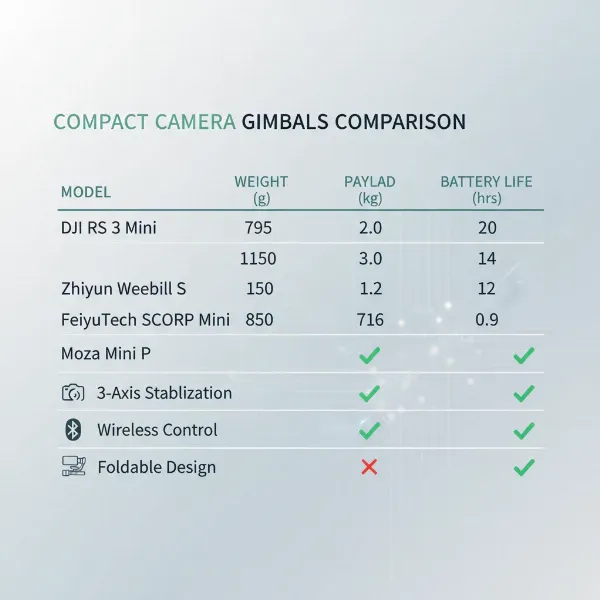 A clear and easy-to-read comparison table of various gimbals for compact cameras, highlighting their key specifications and features.
The Essential Buying Guide: Making Your Choice
Choosing the right gimbal is a personal decision based on your specific needs and priorities. Here’s a systematic approach to guide your purchase:
Determine Your Budget
Gimbals for compact cameras range from under $100 to several hundred dollars. Define your maximum spending limit, then prioritize features that fall within that range. Often, spending a little more upfront for better build quality or essential features like precise balancing mechanisms can save you frustration in the long run.
Assess Your Usage Needs
Are you a vlogger who needs quick setup and subject tracking? A travel filmmaker requiring extreme portability? Or do you seek cinematic moves for creative projects? Your primary use case will heavily influence the ideal gimbal. For vlogging, features like a built-in light, extension rod, and AI tracking are highly valuable. If quick transitions between a tripod and handheld are frequent, look for gimbals with fast, reliable quick-release systems.
Evaluate Your Current and Future Camera Setup
Consider the total weight of your Sony ZV-1 (or other compact camera) combined with any typical accessories you use or plan to acquire, such as external microphones, wider lenses, or ND filters. Ensure the gimbal’s payload capacity comfortably accommodates this total weight, leaving a little headroom for safety and optimal motor performance. Also, pay attention to the physical dimensions of your camera, especially regarding potential port interference with the gimbal arms.
Prioritize Portability and Ergonomics
If you’re often on the go, a lightweight and foldable gimbal is key. Check the folded dimensions and overall weight. A comfortable grip is also paramount, as an uncomfortable gimbal can lead to hand fatigue and unsteady shots. Some gimbals offer modular designs or extra grip accessories for improved ergonomics.
Research User Feedback and Reviews
Beyond specifications, real-world user experiences offer invaluable insights. Look for reviews or forums specifically discussing your camera model (e.g., Sony ZV-1 with a particular gimbal) to uncover any common issues, such as balancing difficulties, software glitches, or port accessibility problems. This can help you avoid potential frustrations.
Maximizing Your Gimbal: Tips for Use and Maintenance
Once you’ve chosen your gimbal, mastering its use and caring for it properly will ensure smooth footage for years to come.
Perfect Your Balancing Technique
Proper balancing is the most critical step for optimal gimbal performance. Always balance your camera setup before powering on the gimbal. Take the time to fine-tune each axis until the camera remains steady when you release it. A well-balanced camera minimizes strain on the motors, extends battery life, and ensures the smoothest possible footage. Many gimbals have indicators or apps to assist in this process.
Stay Up-to-Date with Firmware
Manufacturers frequently release firmware updates to improve stabilization algorithms, add new features, and fix bugs. Regularly check for and install the latest firmware for your gimbal via its companion app or desktop software. This ensures you’re getting the best performance and functionality.
Optimize Battery Care
Treat your gimbal’s battery with care. Avoid fully depleting it too often, and store the gimbal with a partial charge if you won’t be using it for an extended period. Use the manufacturer’s recommended charger and follow guidelines for charging temperature to prolong battery life.
Clean and Store Properly
After each use, especially in dusty or sandy environments, wipe down your gimbal. Store it in its original case or a protective pouch to prevent dust accumulation and physical damage to the motors and moving parts. Many gimbals have specific locking mechanisms for safe storage and transport that prevent the arms from flopping around.
Avoid Overloading
Never exceed your gimbal’s stated payload capacity. While it might still move, the motors will be overstressed, leading to compromised stabilization, shorter battery life, and potential hardware damage. If you plan to add heavier accessories, invest in a gimbal with a higher payload rating.
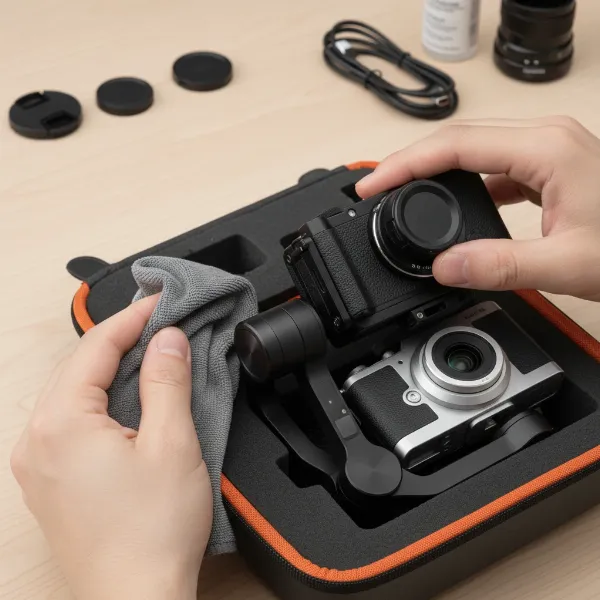 A person cleaning and storing a compact camera gimbal, emphasizing proper care.
Conclusion
Choosing the best gimbal for your compact camera, such as the Sony ZV-1, is a significant step towards unlocking your creative potential and producing professional-grade video content. By considering factors like payload capacity, portability, ease of use, and specific features, you can find a stabilizer that perfectly complements your camera and shooting style. Brands like DJI, Zhiyun, and FeiyuTech offer excellent options, each with unique strengths. Taking the time to properly balance and maintain your gimbal will ensure it remains a reliable tool, delivering that coveted smooth, cinematic look. What kind of stories are you most excited to tell with your newly stabilized footage?
Frequently Asked Questions
Is a gimbal truly necessary for a Sony ZV-1 with its built-in stabilization?
While the Sony ZV-1 has good in-body image stabilization, a 3-axis gimbal provides superior, butter-smooth stabilization that can’t be matched by digital or optical stabilization alone. It’s especially beneficial for dynamic shots, walking vlogs, or achieving a truly cinematic, floating camera effect.
What does “payload capacity” mean for a gimbal?
Payload capacity refers to the maximum weight a gimbal’s motors can effectively stabilize. It’s crucial to ensure your camera, lens, and any accessories (like external microphones or lights) do not exceed this limit, as overloading can compromise performance and damage the gimbal.
How do I properly balance a gimbal with my compact camera?
Balancing involves adjusting the camera’s position on each of the gimbal’s axes (pan, tilt, roll) so that it remains level and still when released. Most gimbals have sliding arms and quick-release plates for micro-adjustments. The goal is to reduce strain on the motors, which improves battery life and stabilization.
Can smartphone gimbals be used with compact cameras like the ZV-1?
Generally, no. Smartphone gimbals are designed for the lighter weight and specific clamp mechanisms of phones. Compact cameras, even small ones like the ZV-1, typically exceed the payload capacity and require a more robust mounting plate than what a smartphone gimbal offers.
What are some common issues to watch out for with compact camera gimbals?
Common issues include difficulty balancing, gimbal arms blocking camera ports (especially problematic for the ZV-1 II’s side ports), short battery life, and occasional software bugs or connectivity problems with companion apps. Researching user reviews for specific camera and gimbal combinations can help identify these potential pitfalls.