Are you tired of shaky, unstable footage ruining your otherwise perfect shots with your powerful Panasonic GH6 or GH7 camera? Investing in the right gimbal is not just an upgrade; it’s a necessity for filmmakers and content creators aiming for professional, cinematic results. The Panasonic GH6 and GH7 are renowned for their exceptional video capabilities, but even the steadiest hands can’t replicate the buttery-smooth motion a high-quality gimbal provides. This comprehensive guide will navigate you through the world of camera stabilizers, helping you select the ideal gimbal to unlock the full potential of your Panasonic LUMIX GH6 or GH7.
Understanding Your Stabilizer Needs for GH6/GH7
Gimbals are sophisticated 3-axis motorized stabilizers designed to counteract unwanted camera movements, delivering incredibly fluid and stable video footage. For cameras like the Panasonic GH6 and GH7, which are often paired with various lenses and accessories, a gimbal transforms handheld shots into polished, cinematic sequences. When choosing a gimbal, several critical factors come into play, especially considering the robust build and potential lens setups of the GH6 and GH7.
The primary considerations include the gimbal’s payload capacity, its overall weight and portability for extended shoots, battery life, and the array of intelligent features it offers. Given that GH6/GH7 users frequently employ heavier lens combinations, such as a Panasonic LUMIX GH6 with a Metabones Speed Booster and a Sigma 18-35mm lens, ensuring the gimbal can comfortably support this weight is paramount. Without adequate payload capacity, a gimbal will struggle to stabilize effectively, leading to motor strain and subpar results.
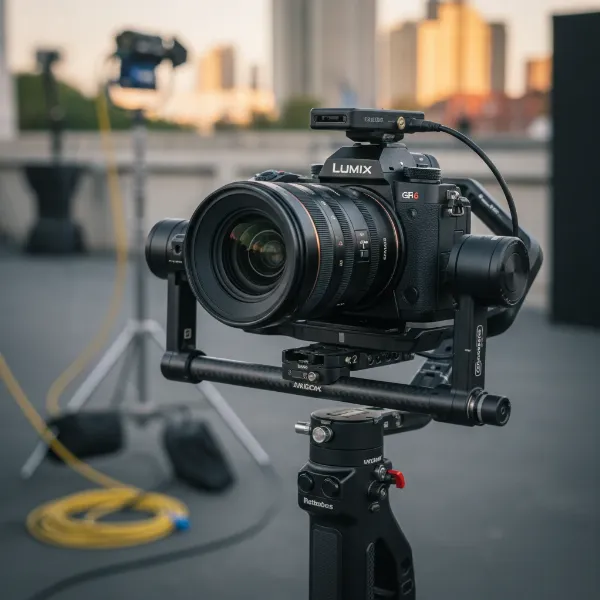 Panasonic GH6 camera with a heavy lens mounted on a professional 3-axis gimbal stabilizer.
Top Gimbals for Panasonic GH6 and GH7: Detailed Comparisons
Selecting the perfect gimbal involves balancing performance, features, and your specific shooting demands. Here’s a detailed look at the leading gimbals compatible with the Panasonic GH6 and GH7, highlighting their strengths and ideal use cases.
DJI RS 3 Pro
The DJI RS 3 Pro is often considered a top-tier choice for professional filmmakers who demand uncompromising stability and advanced features. With a robust design and a significant payload capacity of 4.5 kg (10 lbs), it can easily handle the Panasonic GH6 or GH7, even when equipped with heavier cinema lenses, cages, and external monitors. Its carbon fiber axis arms ensure durability and lightness, while automated axis locks expedite setup and breakdown. A standout feature is its optional LiDAR focus technology, which provides precise and effortless autofocus, especially beneficial in dynamic shooting environments. However, its larger size and heavier weight (2 kg) might be a consideration for extended handheld use, and it comes with a higher price point.
DJI RS 3
For those seeking a professional-grade experience without the full bulk and cost of the Pro model, the DJI RS 3 presents an excellent middle ground. It boasts a payload capacity of 3 kg (6.6 lbs), which is more than sufficient for most Panasonic GH6 and GH7 setups, including common zoom lenses. The RS 3 shares the convenient automated axis locks of its Pro sibling, greatly speeding up balancing and camera mounting. Its 1.8-inch OLED touchscreen offers intuitive control, allowing for quick adjustments to settings. While it lacks the LiDAR focus of the Pro, it excels in providing reliable, smooth stabilization for a wide range of filmmaking scenarios, from events to travel vlogs with frequent lens changes.
DJI RS 3 Mini
Portability is the hallmark of the DJI RS 3 Mini, making it an ideal companion for content creators on the move or those with lighter setups. Weighing just 0.99 kg, it’s remarkably lightweight and compact. Despite its diminutive size, it supports a respectable payload of up to 2 kg (4.4 lbs), suitable for the GH6 or GH7 with smaller, compact lenses. Key features include Bluetooth shutter control for seamless operation and native vertical shooting capabilities, perfect for social media content. While it offers fewer advanced features than its larger counterparts, its ease of use and exceptional portability make it a fantastic choice for vlogging, travel, and run-and-gun shooting where a light footprint is essential.
MOZA AirCross 3
The MOZA AirCross 3 distinguishes itself with an impressive feature set and excellent battery performance, making it a strong contender for Panasonic GH6 and GH7 users. It offers a high payload capacity of 3.2 kg (7 lbs), accommodating various camera and accessory configurations. One of its most appealing attributes is its long runtime, providing up to 20 hours on a single charge, ideal for marathon shooting sessions. The upgraded user interface design enhances usability, and its powerful extensions arsenal allows for versatile rigging options. While it offers substantial power and flexibility, some users might find its overall form factor a bit larger compared to ultra-compact alternatives.
Zhiyun Weebill Series (Weebill 3E, Weebill S, Crane M3 Pro)
Zhiyun has consistently delivered strong competition in the gimbal market, and their Weebill and Crane series offer compelling options for the GH6 and GH7. The Zhiyun Weebill 3E (and its predecessors like Weebill S and Crane M3 Pro) is particularly praised for its compact and lightweight design without sacrificing payload capacity. The Weebill 3E, for instance, can support payloads up to 3 kg (6.6 lbs), making it capable of handling the GH6/GH7 even with moderately heavy lens setups. Its ergonomic design often includes a built-in sling grip, offering comfortable low-angle shooting. These gimbals are known for their strong motors and responsive stabilization, making them excellent for run-and-gun videography, travel, and capturing dynamic shots. The Zhiyun Crane M3 Pro stands out as a very lightweight option, best suited for travel and smaller GH5/GH6 setups with compact lenses.
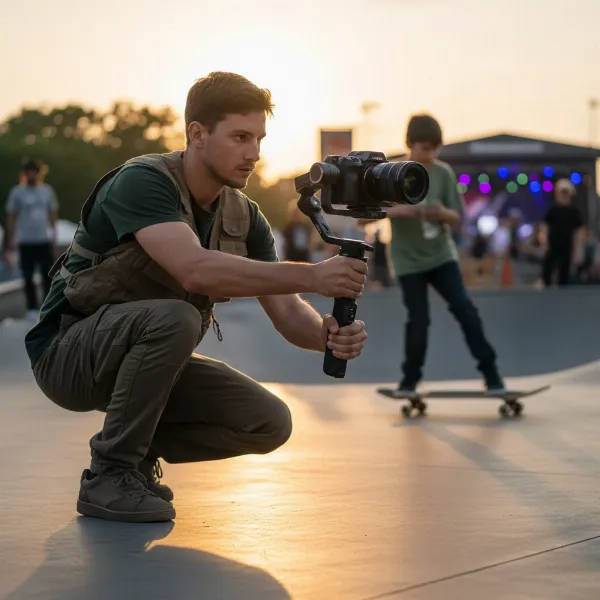 Filmmaker operating a Panasonic GH6 on a compact, ergonomic gimbal for smooth, dynamic video shots.
DJI RS 4 (Mention)
As a newer iteration in DJI’s popular RS line, the DJI RS 4 is also a viable and often recommended option for Lumix shooters, including the GH6 and GH7. It offers a payload capacity similar to the RS 3 (around 3 kg or 6.6 lbs) but with enhancements in stability and a lighter design than previous generations. It incorporates many of the user-friendly features found in the RS 3 series, further refining the balancing and shooting experience.
| Feature | DJI RS 3 Mini | DJI RS 3 | DJI RS 3 Pro | MOZA AirCross 3 | Zhiyun Weebill 3E |
|---|---|---|---|---|---|
| Payload Capacity | 2 kg (4.4 lbs) | 3 kg (6.6 lbs) | 4.5 kg (10 lbs) | 3.2 kg (7 lbs) | 3 kg (6.6 lbs) |
| Weight | 0.99 kg | 1.3 kg | 1.5 kg | 1.5 kg | 1.05 kg |
| Portability | Excellent | Very Good | Good | Good | Excellent |
| Key Features | Vertical Shooting, Bluetooth Shutter | Automated Axis Locks, OLED Touchscreen | Carbon Fiber, LiDAR Focus, Automated Locks | 20hr Battery, Upgraded UI | Compact, Ergonomic Sling Mode |
| Ideal For | Vlogging, Travel, Lightweight Setups | General Pro Use, Zoom Lenses | Cinema Rigs, Heavy Lenses, Professionals | Long Shoots, Versatile Rigs | Run-and-Gun, Travel, Compact Pro Setups |
Feature Spotlight: What to Look For
Choosing the right gimbal for your Panasonic GH6 or GH7 involves evaluating several key specifications and features to ensure it aligns with your filmmaking style.
- Payload Capacity: This is arguably the most critical factor. Always verify that the gimbal can comfortably support your camera body, your heaviest lens, and any accessories (microphone, monitor, external recorder) you plan to mount. Overloading a gimbal can lead to poor stabilization, motor strain, and potential damage.
- Battery Life: For long shooting days, a gimbal with extended battery life is invaluable. Look for models offering 10+ hours of operation. Some gimbals even support fast charging or external power banks. The MOZA AirCross 3, for example, stands out with up to 20 hours of runtime.
- Portability & Weight: Consider how you’ll be using the gimbal. A lightweight and compact gimbal like the DJI RS 3 Mini or Zhiyun Weebill 3E is perfect for travel and solo operators, reducing arm fatigue during prolonged shoots. Heavier gimbals, while more capable, might require more breaks or even a support vest.
- Quick Setup & Balancing: Automated axis locks, such as those found on DJI RS series gimbals, significantly reduce the time and frustration associated with balancing your camera. An intuitive interface and clear markings also contribute to a smoother setup process.
- Advanced Features: Modern gimbals offer intelligent features like active tracking (where the gimbal follows a subject), time-lapse modes, panorama, and FPV (First-Person View) modes. LiDAR focus, available on the DJI RS 3 Pro, offers precision autofocus for demanding shoots.
- Build Quality & Durability: Carbon fiber construction, seen in high-end models, reduces weight while maintaining strength. Robust motors and durable materials ensure the gimbal can withstand the rigors of professional use.
Buying Guide: Choosing Your Ideal Gimbal
Making the final decision for your Panasonic GH6 or GH7 gimbal requires a systematic approach tailored to your individual needs.
- Assess Your Setup: Start by calculating the total weight of your heaviest Panasonic GH6/GH7 camera and lens combination, including any essential accessories. This will immediately narrow down your options based on payload capacity.
- Define Your Shooting Style: Are you a solo vlogger prioritizing portability, a cinematic storyteller needing advanced focus tools, or an event videographer requiring quick setup? Your typical shooting environment and preferred movements will guide your feature requirements.
- Consider Your Budget: Gimbals range from budget-friendly options to high-end professional tools. Determine your maximum expenditure and explore the best options within that price range, keeping in mind that features often correlate with cost.
- Read Reviews & Watch Tutorials: Before purchasing, delve into user reviews and watch real-world test footage on platforms like YouTube. This provides invaluable insights into a gimbal’s practical performance, ease of use, and any potential quirks.
Tips for Mastering Your Gimbal with GH6/GH7
Once you have your gimbal, mastering it is key to truly cinematic footage.
- Proper Balancing Techniques: This is foundational. A perfectly balanced camera requires less motor effort, leading to smoother footage and longer battery life. Refer to your gimbal’s manual and numerous online tutorials for precise balancing.
- Firmware Updates: Always keep your gimbal’s firmware updated. Manufacturers frequently release updates that improve motor performance, add new features, and enhance compatibility.
- Utilizing Intelligent Shooting Modes: Experiment with the various shooting modes your gimbal offers. Features like active track, time-lapse, and panoramic modes can add dynamic elements to your videography.
- Practice Smooth Movements: Even with a gimbal, operator technique matters. Practice walking smoothly, utilizing your knees as shock absorbers, and executing deliberate camera movements to achieve the most professional results.
Conclusion
Choosing the right gimbal for your Panasonic GH6 or GH7 is a pivotal step in elevating your videography to new professional heights. From the lightweight portability of the DJI RS 3 Mini to the robust, feature-rich power of the DJI RS 3 Pro, there’s a perfect stabilizer for every filmmaker. By carefully considering payload capacity, desired features, portability needs, and your budget, you can make an informed decision that will transform your shaky footage into breathtakingly smooth, cinematic narratives. What kind of cinematic stories will you tell with your newly stabilized GH6 or GH7?
Frequently Asked Questions
What is the best budget gimbal for GH6/GH7?
For budget-conscious creators, gimbals like the FeiyuTech AK2000C or the DJI RS 3 Mini offer excellent value. The DJI RS 3 Mini is particularly strong for its portability and decent payload, while the FeiyuTech models often provide robust performance at a more accessible price point, suitable for basic setups.
Can I use a heavy cinema lens on my GH6 with a gimbal?
Yes, if you choose a gimbal with a high payload capacity like the DJI RS 3 Pro or MOZA AirCross 3. These gimbals are designed to handle professional cinema lenses and accessories, ensuring stable footage even with significant weight. Always check the gimbal’s maximum payload against your total camera setup weight.
How do I balance my Panasonic GH6/GH7 on a gimbal?
Balancing involves adjusting the camera’s position on each of the gimbal’s three axes (tilt, roll, and pan) until it remains level and still when the motors are off. Start with the tilt axis, then roll, and finally pan. Many modern gimbals feature automated axis locks and quick-release plates to simplify this process, and online tutorials provide step-by-step guidance.
What is the main difference between DJI RS 3 and RS 3 Pro?
The primary differences lie in payload capacity, build materials, and advanced features. The DJI RS 3 Pro offers a higher payload (4.5 kg vs. 3 kg), features carbon fiber construction for reduced weight, and supports advanced accessories like the LiDAR focus system for precise autofocus. The RS 3 is a more compact, moderately weighted option suitable for most professional mirrorless setups, while the Pro is geared towards heavier cinema cameras and more demanding production environments.