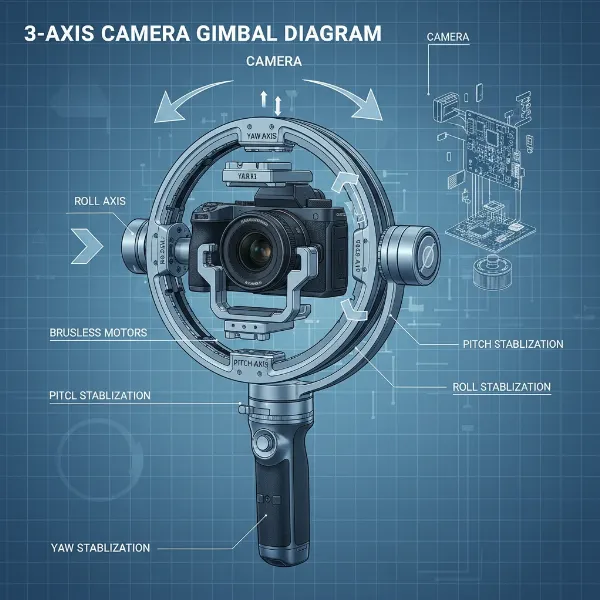
Have you ever captured a breathtaking moment on your smartphone, only to review the footage later and find it shaky and unusable? In today’s visual world, smooth, cinematic video is no longer just for professionals. DJI’s Osmo Mobile series has revolutionized smartphone videography, empowering creators of all levels to produce stunning content. This article delves into a comprehensive comparison between two popular models: the DJI Osmo Mobile SE and the DJI Osmo Mobile 6, guiding you through their features, performance, and key differences to help you choose the ideal gimbal for your creative journey.
Understanding the DJI Osmo Mobile Series: SE vs. OM 6 Overview
Smartphone gimbals are essential tools that use motorized stabilization to counteract unwanted movements, ensuring your video footage remains incredibly smooth and professional-looking. Within DJI’s acclaimed Osmo Mobile lineup, the SE and OM 6 stand out for their ability to transform everyday phone recordings into cinematic masterpieces. The Osmo Mobile SE typically serves as a budget-friendly entry point, offering core stabilization functionality for casual users and those new to gimbals. In contrast, the Osmo Mobile 6 steps up as a more feature-rich, premium option, designed to cater to aspiring content creators and vloggers seeking enhanced control and versatility in their filmmaking.
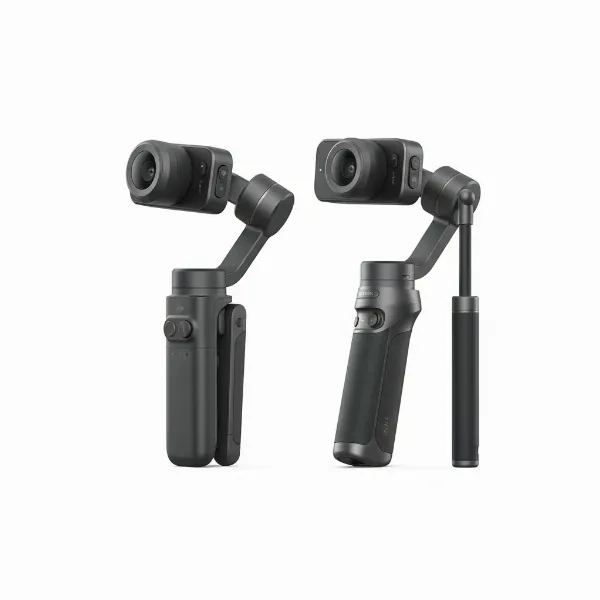 DJI Osmo Mobile SE and OM 6 gimbals displayed side by side for comparison.
Key Factors to Consider When Choosing a DJI Osmo Mobile Gimbal
Selecting the right smartphone gimbal involves weighing several important aspects that align with your personal use case and filming aspirations. Considering these factors will help you determine whether the essential functionalities of the Osmo Mobile SE or the advanced features of the Osmo Mobile 6 are better suited for you.
Budget
Your investment is often the first consideration. The DJI Osmo Mobile SE is positioned as a more affordable option, making it an attractive choice for beginners or those with tighter budgets who still want reliable stabilization. The Osmo Mobile 6, with its expanded feature set, comes at a higher price point, reflecting its additional capabilities and premium design.
Usage Needs
Think about how you plan to use your gimbal. Are you a casual user simply looking to capture smoother family videos and travel footage? The SE might offer everything you need. If you’re an aspiring content creator, vlogger, or someone who frequently shoots dynamic videos and requires more creative control, the OM 6’s extra features become much more valuable.
Portability & Convenience
For on-the-go shooting, portability is key. Both gimbals are foldable and relatively lightweight, but the OM 6 includes a built-in extension rod, offering selfie-stick functionality directly from the gimbal. The OM 6 also boasts a “Quick Launch” feature, allowing it to power on instantly when unfolded, which is a significant convenience for capturing spontaneous moments.
Control & Precision
The level of control you desire over your shots can influence your choice. The Osmo Mobile 6 features a dedicated side wheel that allows for precise manual zoom and focus adjustments, giving you more cinematic control. The Osmo Mobile SE, on the other hand, utilizes a more traditional zoom slider (W/T button) on the side.
Battery Life & Charging
For extended shooting sessions, battery performance is crucial. The Osmo Mobile SE actually offers a slightly longer battery life on a single charge, providing up to 8 hours of use compared to the Osmo Mobile 6’s 6.5 hours. However, the OM 6 compensates with a faster charging time, reaching full power in about 1 hour and 24 minutes, while the SE takes approximately 2 hours and 12 minutes.
Detailed Feature Comparison: DJI Osmo Mobile SE vs. OM 6
While both gimbals share DJI’s renowned 3-axis stabilization and intelligent shooting modes, a closer look reveals the distinctions that set them apart. Understanding these differences will clarify which device aligns best with your videography demands.
Design and Build Quality
The DJI Osmo Mobile 6 boasts a more premium aesthetic and feel. Its textured grip provides enhanced comfort and a more secure hold, while its robust folding mechanism adds to its refined design. The Osmo Mobile SE, while durable and functional, features a simpler, more straightforward design. Both are lightweight and foldable, crafted from durable materials like polycarbonate and aluminum, making them excellent companions for travel.
Stabilization Performance
Both the Osmo Mobile SE and OM 6 deliver excellent 3-axis stabilization, effectively smoothing out shakes and jitters to produce professional-looking footage. Critically, both models also feature ActiveTrack 5.0, DJI’s advanced subject tracking technology that keeps your chosen subject perfectly framed and in focus, even during dynamic movements. While some sources suggest the OM 6 integrates additional advanced stabilization technologies like “RockSteady 2.0” and “HorizonSteady” for superior performance in highly dynamic scenarios, the core stabilization experience for typical use cases remains strong across both devices.
Unique Features
The Osmo Mobile 6 introduces several enhancements aimed at improving workflow and creative possibilities. Its built-in extension rod extends up to 21.5cm, transforming the gimbal into a versatile selfie stick for wider shots and unique angles. The Quick Launch feature on the OM 6 means it powers on the moment you unfold it, ensuring you’re always ready to capture fleeting moments without delay. Furthermore, the OM 6 features a dedicated side wheel for precise manual control over zoom and focus, offering a more tactile and nuanced filming experience than the SE’s W/T slider. The OM 6 also includes an additional safety lock for the tilt axis, a minor but appreciated design improvement.
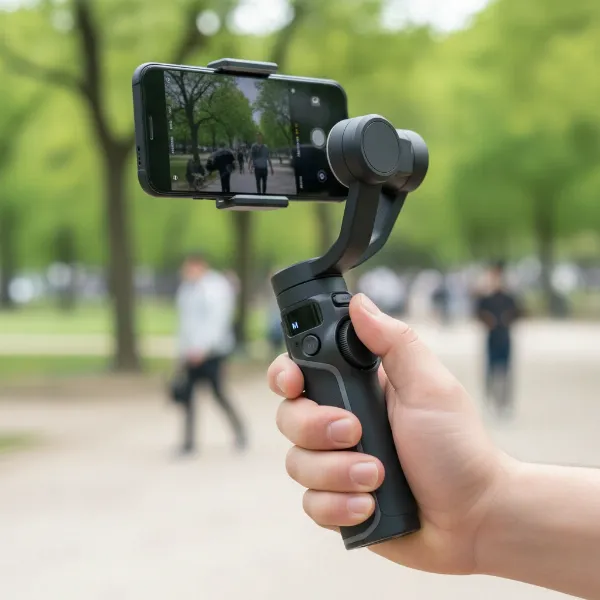 DJI Osmo Mobile 6 demonstrating its built-in extension rod and side control wheel.
Battery & Charging
The Osmo Mobile SE is equipped with a 2600mAh battery, providing a commendable 8 hours of operation on a single charge. This longer battery life can be a significant advantage for users who prioritize extended shooting sessions without immediate access to power. In contrast, the Osmo Mobile 6, with its 1000mAh battery, offers approximately 6.5 hours of use. However, the OM 6 excels in charging speed, fully recharging in roughly 1 hour and 24 minutes, while the SE requires about 2 hours and 12 minutes.
Weight & Dimensions
In terms of physical attributes, the Osmo Mobile 6 is slightly lighter at 309 grams compared to the Osmo Mobile SE’s 352 grams. Both gimbals are designed to be compact and foldable, making them easy to carry in a bag or even a larger pocket, ensuring they are always ready for your next shot.
Smart Modes & App Integration
Both gimbals leverage the power of the DJI Mimo app to unlock a suite of intelligent shooting modes, including Panorama, Story Mode, Timelapse, Motionlapse, DynamicZoom (Dolly Zoom), and Gesture Control. These modes empower users to create diverse and compelling content with ease. Additionally, both the Osmo Mobile SE and OM 6 are compatible with the LightCut app, which offers AI-powered editing features and one-click templates, streamlining the post-production process for quick and professional results.
DJI Osmo Mobile SE vs. OM 6: Specifications at a Glance
For a clear side-by-side comparison, examine the key specifications of each model:
| Feature | DJI Osmo Mobile SE | DJI Osmo Mobile 6 |
|---|---|---|
| Price (Approx. USD) | $99 – $109 | $149 – $159 |
| Built-in Extension Rod | No | Yes (up to 21.5cm) |
| Quick Launch | No | Yes |
| Control Method | W/T Slider (Zoom) | Side Wheel (Zoom/Focus) |
| Battery Life | 8 hours | 6.5 hours |
| Charging Time | 2h 12m | 1h 24m |
| Weight | 352g | 309g |
| ActiveTrack Version | 5.0 | 5.0 |
| Design | Simple, Durable | Premium, Textured Grip |
| Safety Lock | No | Yes (Tilt Axis) |
“The choice between the Osmo Mobile SE and OM 6 often boils down to balancing essential features with budget. For core stabilization, the SE is a phenomenal value, but for creators seeking advanced control and convenience, the OM 6’s added functionalities are truly worth considering.”
Making Your Decision: A Buying Guide for DJI Osmo Mobile Gimbals
Choosing between the DJI Osmo Mobile SE and the Osmo Mobile 6 ultimately depends on your individual priorities and how you plan to integrate a gimbal into your creative workflow. Both are excellent devices that deliver on DJI’s promise of stable, high-quality smartphone video, but they cater to slightly different user profiles.
For the Budget-Conscious Beginner
If you’re just starting your journey into smartphone videography, or if you simply need a reliable and effective tool for smoother casual footage without breaking the bank, the Osmo Mobile SE is an outstanding choice. It provides the fundamental 3-axis stabilization and ActiveTrack 5.0 that make a significant difference in video quality, all at a more accessible price point. Its longer battery life also makes it ideal for extended outings where charging might be less convenient.
For the Aspiring Content Creator
For those who are serious about their content creation, frequently vlog, or desire maximum flexibility and control, the DJI Osmo Mobile 6 justifies its higher price. The built-in extension rod is a game-changer for solo creators and unique angles, while the Quick Launch feature ensures you never miss a shot. The precision of the side zoom/focus wheel and the overall premium feel contribute to a more professional and efficient filming experience. If these advanced features will enhance your creative output, the OM 6 is the clear winner.
Considering Your Shooting Style
Reflect on your typical shooting scenarios. Do you often take selfies or require overhead shots? The OM 6’s extension rod will be invaluable. Do you need to react quickly to moments? The Quick Launch feature on the OM 6 saves crucial seconds. If you enjoy manual control over your camera settings, the OM 6’s side wheel offers a more intuitive experience. Ultimately, the best gimbal is the one that seamlessly integrates with your personal shooting style and helps you achieve your creative vision.
Maximizing Your Gimbal’s Potential: Tips for Use and Maintenance
Once you’ve chosen your DJI Osmo Mobile gimbal, a few best practices will help you get the most out of your device and ensure its longevity. These tips will enhance your filming experience and keep your gimbal in top condition.
First, always ensure your smartphone is properly balanced on the gimbal before powering it on. This reduces strain on the motors and ensures optimal stabilization. Next, take full advantage of the DJI Mimo app; it unlocks all the intelligent shooting modes and provides fine-tuned control over your gimbal and camera settings. Regularly check for firmware updates through the app to ensure your gimbal has the latest features and performance enhancements. When not in use, store your gimbal in a dry, cool place, preferably in its carrying pouch, and keep its battery charged to about 50-60% for long-term storage to maintain battery health. Finally, avoid overloading the gimbal with excessively heavy phones or accessories, as this can impact its performance and durability.
Conclusion
Choosing between the DJI Osmo Mobile SE and the Osmo Mobile 6 doesn’t mean picking a “good” or “bad” option; it’s about finding the right gimbal for your specific needs. The Osmo Mobile SE offers exceptional value, providing robust 3-axis stabilization and ActiveTrack 5.0 at a more accessible price, making it perfect for casual users and beginners who prioritize battery life. On the other hand, the Osmo Mobile 6 elevates the experience with added conveniences like an integrated extension rod, Quick Launch, and precise zoom/focus control, catering to content creators and vloggers who demand a more professional and streamlined workflow. Both gimbals are powerful tools for elevating your smartphone videography. Which DJI Osmo Mobile gimbal will you choose to capture your next cinematic moment?
Frequently Asked Questions
Does the DJI Osmo Mobile SE have an extension rod?
No, the DJI Osmo Mobile SE does not feature a built-in extension rod. This is a key difference from the Osmo Mobile 6, which includes an extendable arm for more versatile shooting angles, similar to a selfie stick.
What is the main advantage of the OM 6 over the SE?
The main advantages of the DJI Osmo Mobile 6 over the SE are its built-in extension rod, the Quick Launch feature for instant power-on when unfolded, and a dedicated side wheel for more precise manual zoom and focus control. These features enhance convenience and creative flexibility.
Is ActiveTrack 5.0 on both gimbals?
Yes, both the DJI Osmo Mobile SE and the DJI Osmo Mobile 6 are equipped with ActiveTrack 5.0. This advanced technology enables both gimbals to precisely follow a selected subject, keeping it centered and in focus within the frame.
Which gimbal is better for travel, the SE or the OM 6?
Both gimbals are highly portable and suitable for travel due to their foldable designs. However, the Osmo Mobile 6’s built-in extension rod and slightly lighter weight might make it marginally more versatile for travel vlogging and capturing various shots without needing extra accessories.
Can I charge my phone while using the gimbal?
Both DJI Osmo Mobile gimbals typically offer a USB-C port, primarily for charging the gimbal itself. While some gimbals can act as a power bank, this feature is not a major differentiator explicitly highlighted for the SE vs. OM 6. It’s generally recommended to fully charge your phone before using the gimbal for extended periods.