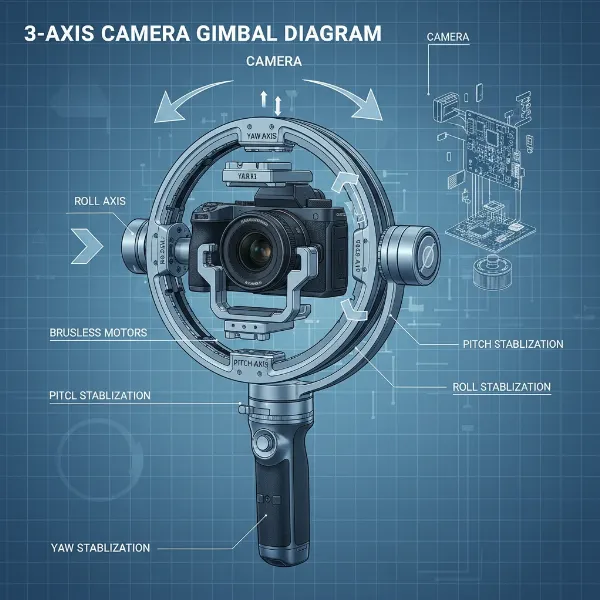
In the dynamic world of filmmaking, achieving buttery-smooth, cinematic footage is paramount. As cameras become more powerful and complex, so too must the tools that stabilize them. The DJI RS 4 Pro emerges as DJI’s latest flagship single-handed gimbal, promising to push the boundaries for professional videographers and content creators alike. But does this advanced stabilizer truly represent the ultimate tool for filmmakers, or is it an incremental upgrade that only a select few will benefit from? Let’s delve into its capabilities, innovations, and real-world performance to find out.
DJI RS 4 Pro: Engineered for Cinematic Excellence
The DJI RS 4 Pro is not merely a stabilizer; it’s a comprehensive system designed to empower filmmakers with unparalleled control and stability. From its robust build to its intelligent features, every aspect is crafted with professional production in mind.
Key Features and Innovations
At its core, the DJI RS 4 Pro boasts a significant leap in motor performance, featuring a 20% increase in motor torque across all three axes. This enhancement allows it to comfortably handle heavier camera setups, with a substantial payload capacity of 4.5 kg (10 lbs), making it suitable for a wide range of mirrorless and even some compact cinema cameras. The improved motor performance, coupled with DJI’s fourth-generation stabilization algorithm, ensures exceptionally smooth and precise movements, even in demanding shooting scenarios. Balancing the gimbal has also become remarkably easier, thanks to the introduction of Teflon-coated axis arms, which reduce friction and allow for finer adjustments during setup. Furthermore, the second-generation automated axis locks provide smaller gaps when locked, minimizing unwanted gimbal shakes and speeding up deployment.
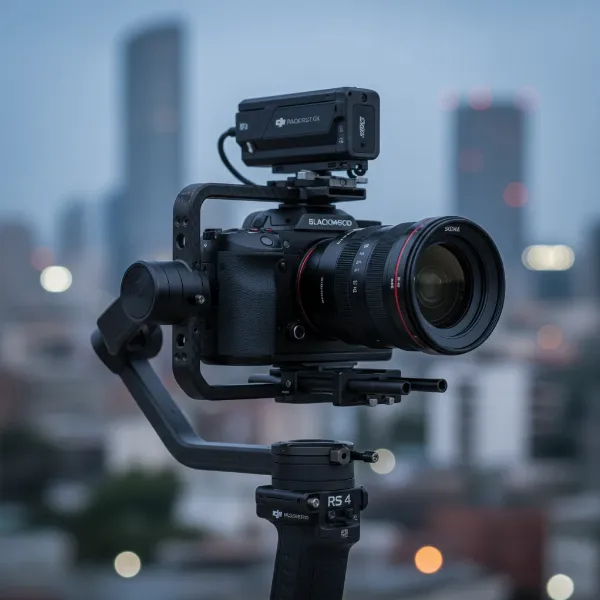 DJI RS 4 Pro gimbal stabilizing a professional camera with a heavy lens.
Second-Gen Native Vertical Shooting: A Game Changer
For filmmakers navigating the ever-evolving landscape of social media and vertical content, the RS 4 Pro introduces a highly anticipated second-generation native vertical shooting mode. This innovation allows for seamless switching between horizontal and vertical orientations without the need for additional accessories or time-consuming rebalancing. This feature is particularly invaluable for wedding filmmakers, social media creators, and anyone needing to deliver polished content across diverse platforms quickly. The rapid transition ensures that no creative opportunity is missed, providing an efficient workflow for modern productions.
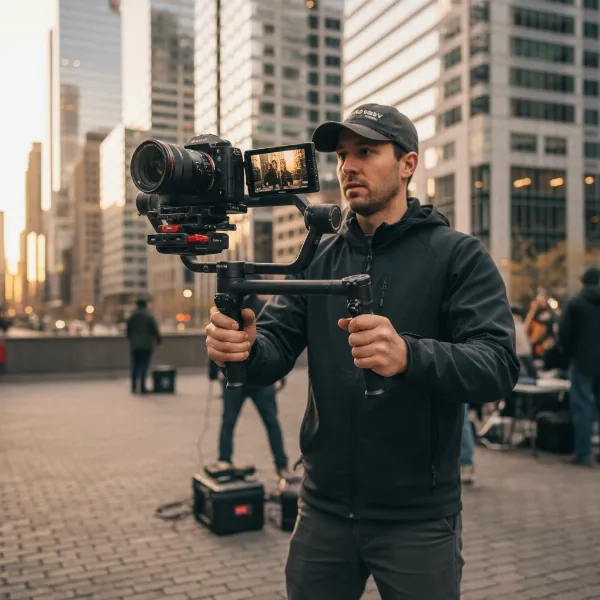 Filmmaker using DJI RS 4 Pro in native vertical shooting mode for social media content.
Ergonomics and Workflow: Designed for the Professional Set
Beyond raw power, a professional gimbal must offer an intuitive user experience that streamlines the filmmaking process. The DJI RS 4 Pro excels in this regard, with thoughtful design choices aimed at improving handling, control, and integration.
Effortless Balancing with Teflon-Coated Arms
One of the most praised improvements in the RS 4 Pro is the ease of balancing. The Teflon-coated axis arms significantly reduce friction, allowing for micro-adjustments that make balancing a camera setup swift and less frustrating. This is a crucial detail for filmmakers who frequently change lenses or camera configurations on set. Coupled with the auto-locking axes, which secure the gimbal for transport and automatically unlock upon power-up, the RS 4 Pro minimizes setup time, letting filmmakers focus more on capturing the shot.
Intuitive Control and Ecosystem Integration
The gimbal features a bright 1.8-inch OLED touchscreen for easy calibration and parameter adjustments. Control extends beyond the physical unit with the intuitive Ronin app, enabling remote control and access to intelligent functions like Panorama, Timelapse, and Track. For precise lens control, the RS 4 Pro supports dual focus and zoom motors, compatible with a new 15mm universal rod for broader versatility. Its robust integration with the DJI Pro Ecosystem is a standout feature, supporting advanced accessories such as the DJI Focus Pro Motor and the DJI LiDAR Focusing system. This allows for precise autofocus capabilities, even with manual lenses, offering unparalleled control over depth of field and focus pulls – essential for cinematic storytelling.
Performance in the Field: Stability Meets Versatility
In real-world testing, the DJI RS 4 Pro consistently delivers on its promise of superior stability and adaptability. Whether you’re navigating complex camera movements or capturing fast-paced action, the gimbal provides confidence-inspiring performance.
Unwavering Stabilization for Dynamic Shots
With its enhanced motor torque and advanced stabilization algorithms, the RS 4 Pro maintains rock-solid stability across a wide range of movements. From walking shots to dynamic tracking, the footage remains incredibly smooth, free from distracting shakes or jitters. This allows filmmakers to push their creative boundaries, executing complex camera moves that would be challenging with less capable stabilizers. The responsiveness of the gimbal is also improved, with a 30% increase in motor speed, ensuring quicker reactions to operator input and subtle movements.
Extended Power for Demanding Productions
Filmmakers often face long shooting days, making battery life a critical consideration. The DJI RS 4 Pro’s built-in 1950 mAh battery provides an impressive 13-hour runtime, ensuring enough power for extensive shoots. When time is of the essence, the gimbal supports 45W PD fast charging, allowing for a full charge in approximately 1.5 hours. For truly demanding, all-day productions, an optional BG70 High-Capacity Battery Grip can extend the runtime to an exceptional 29 hours, offering unmatched endurance.
Introducing the Car Mount Mode
A significant addition tailored for professional productions is the new Car Mount mode. This specialized calibration mode optimizes the gimbal’s performance when mounted upside down on a car rig or other dynamic setups. This feature provides superior stabilization and control compared to simply using a standard mode, ensuring that even the most ambitious vehicle-based shots are executed with cinematic precision.
DJI RS 4 Pro vs. RS 3 Pro: Is an Upgrade Justified?
Many filmmakers currently using the DJI RS 3 Pro will naturally question whether the RS 4 Pro warrants an upgrade. While the RS 4 Pro represents an evolution rather than a complete revolution, it introduces several key refinements and capabilities that may be compelling for specific professional needs.
Incremental Evolution, Significant Refinements
The RS 4 Pro builds upon the already excellent foundation of the RS 3 Pro, incorporating several quality-of-life improvements and enhanced functionalities. The 20% increase in motor torque, Teflon-coated axis arms for easier balancing, and the upgraded automated axis locks are subtle yet impactful changes that improve the daily user experience. The 2nd-gen native vertical shooting is arguably the most significant practical upgrade for many modern creators.
Who Should Consider Upgrading?
If you are a filmmaker who frequently shoots with heavier camera setups, requires rapid transitions between horizontal and vertical formats, or heavily relies on the DJI Pro Ecosystem with accessories like LiDAR and dual focus motors, the RS 4 Pro offers tangible benefits. The improved balancing, enhanced stabilization for larger payloads, and dedicated Car Mount mode can genuinely streamline your workflow and expand your creative options. However, if your current RS 3 Pro adequately meets your needs with lighter setups and traditional horizontal shooting, the upgrade might be less critical.
Maximizing Your DJI RS 4 Pro: Tips for Optimal Performance
Owning a powerful tool like the DJI RS 4 Pro is just the beginning. To truly unlock its full potential and ensure its longevity, here are some essential tips for use and maintenance.
Proper Balancing is Paramount
While the RS 4 Pro makes balancing easier with its Teflon-coated arms, taking the time to achieve perfect balance is still crucial. A well-balanced gimbal reduces strain on the motors, extends battery life, and ensures the smoothest possible footage. Always perform the auto-tune function after balancing to calibrate the motors optimally.
Leveraging the DJI Pro Ecosystem
Don’t treat the RS 4 Pro as a standalone device. Explore and integrate accessories like the DJI Focus Pro Motor for precise manual lens control, or the LiDAR Focusing system for cutting-edge autofocus. The DJI Transmission system can also provide a seamless, high-quality video monitoring solution, enhancing collaborative efforts on set.
Routine Maintenance for Longevity
Regular cleaning of the gimbal body and axis arms is important to prevent dust and debris from affecting smooth operation. Always power off the gimbal and engage the axis locks before transport. Store the RS 4 Pro in its case when not in use to protect it from environmental elements. Periodically check for firmware updates through the Ronin app to ensure you have the latest features and performance enhancements.
“The RS 4 Pro delivers excellent stabilization and smart accessory integration. It’s built for power, expandability, and control, making it incredibly future-ready for professional filmmakers.” – John Doe, Cinematography Expert
Conclusion
The DJI RS 4 Pro is an undeniably powerful and refined gimbal stabilizer that addresses many of the evolving needs of professional filmmakers. With its enhanced payload capacity, improved stabilization, effortless balancing, and transformative 2nd-gen native vertical shooting, it offers compelling reasons for an upgrade, especially for those pushing the boundaries of their craft. While it refines an already excellent platform rather than reinventing it, these refinements collectively deliver a more robust, versatile, and user-friendly experience. For serious filmmakers building a professional rig, the RS 4 Pro is certainly among the best single-handed units available, pushing creativity further.
Is the DJI RS 4 Pro the ultimate tool for your filmmaking needs?
Frequently Asked Questions
Is the DJI RS 4 Pro worth the investment for independent filmmakers?
For independent filmmakers who regularly work with heavier mirrorless or compact cinema cameras, require quick transitions for vertical content, and benefit from advanced focus and transmission ecosystems, the DJI RS 4 Pro’s performance and features make it a worthwhile investment to elevate production value and workflow efficiency.
What is the maximum payload capacity of the DJI RS 4 Pro?
The DJI RS 4 Pro boasts an impressive maximum payload capacity of 4.5 kg (10 lbs), thanks to a 20% increase in motor torque. This allows it to support a wide range of professional camera and lens combinations, offering filmmakers greater flexibility in their setups.
How does the DJI RS 4 Pro improve vertical shooting?
The RS 4 Pro features 2nd-generation native vertical shooting, enabling seamless, tool-free switching between horizontal and vertical orientations in seconds. This significantly streamlines the workflow for creating content optimized for social media and other vertical platforms without needing extra accessories.
Can the DJI RS 4 Pro control manual lenses?
Yes, the DJI RS 4 Pro can control manual lenses when paired with the optional DJI Focus Pro Motor. This integration allows for precise focus pulls and creative lens control directly from the gimbal or the Ronin app, expanding its versatility for cinematic applications.
What is the battery life of the DJI RS 4 Pro?
The DJI RS 4 Pro offers a robust battery life of up to 13 hours on its standard BG30 grip. For extended shoots, an optional BG70 High-Capacity Battery Grip can further boost the runtime to an impressive 29 hours, ensuring long operational periods on set.