How to Choose a Washing Machine (2026)
Disclosure: Washing Machine Co is reader-supported. We may earn a small commission when you buy through links on this page — at no extra cost to you.
Quick verdict: Choosing a washing machine in 2026 comes down to five decisions — machine type (front-load vs. top-load), capacity, energy efficiency, key features, and budget. Nail those five and you won’t go wrong. This guide walks through each in plain language so you can make a confident purchase. For our curated model picks already vetted against these criteria, see the Best Washing Machines guide.
Step 1 — Choose Your Machine Type
The first fork in the road is whether to buy a front-loader or a top-loader. Both clean clothes well; the differences lie in efficiency, ergonomics, and cost.
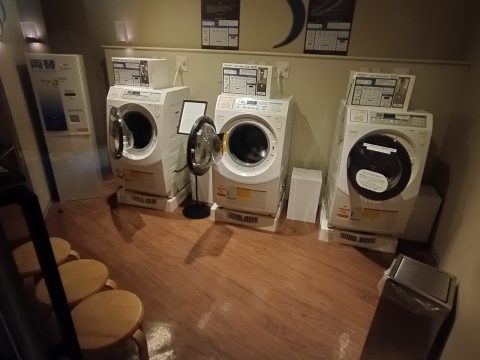
Front-Load Washers
Front-loaders tumble clothes through a small pool of water rather than submerging them, which means they use significantly less water — typically 13–15 gallons per load versus 19–25 gallons for a traditional top-loader. They also extract more water during the spin cycle (up to 1,400 RPM), cutting dryer time. The trade-offs: longer wash cycles, a higher upfront price, and the need to clean the rubber door gasket regularly to prevent mildew buildup.
- Pros: Lower water and energy use; gentler on fabrics; stackable above a dryer; better for large, bulky loads
- Cons: Longer cycles; door gasket requires monthly cleaning; harder to add clothes mid-cycle; can develop musty odor if not maintained
Top-Load Washers (HE Impeller)
Modern high-efficiency (HE) top-loaders use a low-profile impeller plate instead of a traditional agitator. They offer a larger usable drum, shorter cycle times, and the ability to toss in a forgotten sock after starting. They use more water than front-loaders but far less than the old-style agitator machines they’ve replaced.
- Pros: Shorter cycles; easier to load (no bending); add items mid-cycle; generally less expensive than front-loaders
- Cons: Uses more water than front-loaders; harsher on delicate fabrics than front-loaders; cannot stack
Washer-Dryer Combos
All-in-one washer-dryer combos are front-load machines that wash and dry in the same drum — ideal where space is tight. The caveat: they take considerably longer to dry than a standalone dryer (sometimes 3–4 hours for a full load), and the drying performance is generally inferior to a dedicated dryer.
Step 2 — Pick the Right Capacity
Capacity is measured in cubic feet (cu. ft.) and determines how much laundry you can wash in a single load. Overloading a washer reduces cleaning performance and strains the motor; consistently underloading wastes water and energy.
| Household Size | Recommended Capacity | Typical Laundry Volume |
|---|---|---|
| 1–2 people | 3.5–4.0 cu. ft. | 4–6 lbs per load, 2–3 loads/week |
| 3–4 people | 4.5–5.0 cu. ft. | 8–12 lbs per load, 5–7 loads/week |
| 5+ people | 5.0–5.8 cu. ft. | 12–20 lbs per load, 8+ loads/week |
| Bulky items (king comforters) | 5.0+ cu. ft. | Need room for fabric to tumble freely |
See the full Washing Machine Capacity Guide for a deeper breakdown.
Step 3 — Look for Energy Efficiency
Washing machines are long-term appliances — the running costs over 10+ years can rival or exceed the purchase price. Two certifications to look for:
- ENERGY STAR certified: These models use about 25% less energy and 33% less water than standard models. Look for the blue ENERGY STAR label on the product page.
- ENERGY STAR Most Efficient: A higher tier awarded annually to the top-performing models — typically front-loaders from LG, Electrolux, and Miele.
High spin speeds (1,000–1,400 RPM) also reduce running costs indirectly — more water extracted in the washer means less time in the dryer.
Step 4 — Identify the Features You’ll Actually Use
Manufacturers pack washing machines with features, but most buyers use only a fraction of them. Here’s which ones genuinely matter:
Cycles Worth Having
- Sanitize / Allergen cycle: Uses hot water (up to 165°F) to eliminate bacteria and allergens — useful for households with young children, pets, or allergy sufferers
- Steam: Penetrates fabrics to loosen deep-set stains and reduce wrinkles; found on mid-range and premium models
- Quick wash (30–40 min): Handles lightly soiled loads fast — a genuinely useful daily shortcut
- Delicate / Hand-wash simulation: Important if you wash wool, silk, or activewear regularly
Features You Might Skip
- Smart / Wi-Fi connectivity: Useful for remote start, end-of-cycle alerts, and downloading new wash programs — but adds cost; not essential for most buyers
- Built-in faucet (some top-loaders): Lets you pre-treat stains in the drum — a nice-to-have, not a must
- Color / finish upgrades: Graphite and champagne finishes cost more than white without improving performance
Step 5 — Set a Realistic Budget
The washing machine market breaks cleanly into three budget tiers:
Budget: $500–$700
You can find perfectly capable HE washers in this range — models like the LG WM3400CW (front-load, 4.5 cu. ft., ~$650) and the Whirlpool WTW4957PW (top-load, 3.5 cu. ft., ~$529) clean reliably and earn solid consumer satisfaction scores. Expect fewer specialty cycles and no smart features.
Mid-Range: $700–$1,000
The sweet spot for most households. The LG WM4000HWA (front-load, 5.0 cu. ft., ~$850) is a consistent Wirecutter and Consumer Reports pick at this price — it offers a steam cycle, TurboWash, and ENERGY STAR certification. The Maytag MHW5630HW (~$879) adds an Extra Power button for stain-heavy loads.
Premium: $1,000+
The Electrolux ELFW7637AT (~$990) earns near-perfect marks in independent testing for stain removal and fabric care. At $1,200+, brands like Miele and LG’s Signature line offer quieter motors, longer warranties, and AI-driven cycle optimization — worthwhile if you plan to keep the machine 12–15 years.
Step 6 — Measure Your Space Before You Buy
A surprising number of washing machine returns happen because the unit doesn’t fit. Before ordering, measure:
- Width, depth, and height of the installation space (leave 1 inch clearance on each side for vibration)
- Door or lid swing clearance — front-loaders need full door-open depth; top-loaders need unobstructed vertical space above
- Access path dimensions — hallway width, doorframe height, stairwell turns the unit must navigate during delivery
- Pedestal height — if you’re adding a pedestal riser to a front-loader, add 12–16 inches to the installed height
Standard washing machines are approximately 27 inches wide. Compact models (24 inches wide) exist for tighter installations and typically offer 2.2–2.4 cu. ft. capacity.
Top-Load vs. Front-Load: Side-by-Side Comparison
| Factor | Front-Load | Top-Load HE |
|---|---|---|
| Water use per load | ~13 gallons | ~19 gallons |
| Cycle time | 60–90 min | 40–60 min |
| Spin speed (max RPM) | 1,000–1,400 | 700–1,000 |
| Stackable | Yes | No |
| Add items mid-cycle | Difficult | Easy |
| Average entry price | $650+ | $500+ |
| Mold/mildew risk | Higher (gasket) | Lower |
Key Specs Glossary
When comparing models, these are the specs that actually affect day-to-day use:
- Capacity (cu. ft.): Drum volume — bigger means fewer loads for large families
- Spin speed (RPM): Higher = more water extracted = faster drying
- IEC wash rating: Standardized cleaning performance score used by manufacturers
- ENERGY STAR: Independently certified efficiency label
- Noise level (dB): Important for open-plan homes or laundry rooms near bedrooms; premium models run 40–50 dB
- Warranty: Look for at least 1 year parts and labor; some brands offer 10-year motor warranties
Frequently Asked Questions
Is a front-load or top-load washing machine better?
Front-loaders are generally more water- and energy-efficient, and gentler on fabrics. Top-loaders are faster to load, have shorter cycle times, and tend to be less expensive. For most households, either works well — the choice comes down to budget, laundry habits, and installation space.
What washing machine capacity do I need?
Singles or couples can manage with 3.5–4.0 cu. ft. A family of 3–4 people should look at 4.5–5.0 cu. ft. Larger households or those washing bulky items regularly benefit from 5.0+ cu. ft.
How much should I spend on a washing machine?
Budget models start around $500–$650 and cover the basics reliably. Mid-range ($700–$1,000) adds energy efficiency, better spin speeds, and useful cycles. Premium models ($1,000+) offer smart connectivity, steam, and extended durability.
Do I need a washing machine with smart features?
Smart features like Wi-Fi, app control, and AI cycle optimization are convenient but not essential. They add cost, so consider them a bonus rather than a requirement unless you specifically want remote monitoring or smart-home integration.