Let’s be honest, there are few household odors more frustrating than when your Washing Machine Smells Like Mold Or Mildew. You expect it to produce fresh, clean laundry, but instead, it imparts a funky, musty scent to everything it touches. It’s a common problem, but the good news is you’ve come to the right place. As the technical experts at Washing Machine Co, we’ve seen it all, and we’re here to walk you through exactly why this happens, how to banish that smell for good, and how to make sure it never comes back.
Why Your Washing Machine Smells Like Mold or Mildew
So, what’s the deal? Why does a machine designed for cleaning get so… dirty? The answer is simple: it’s the perfect breeding ground. Your washer combines three key ingredients that mold and mildew absolutely love: moisture, warmth, and a food source.
Think about it. After every cycle, there’s residual water left in the drum, the gasket, and the dispenser. Add the warmth from the motor and hot water cycles, and you’ve created a cozy little ecosystem. The “food” comes from the dirt, body oils, and soap scum left behind from your laundry. Over time, this combination creates a biofilm—a slimy layer of bacteria and buildup—that is the source of that unmistakable washing machine smells like mold or mildew odor.
Is a Front-Load Washer More Prone to Smells?
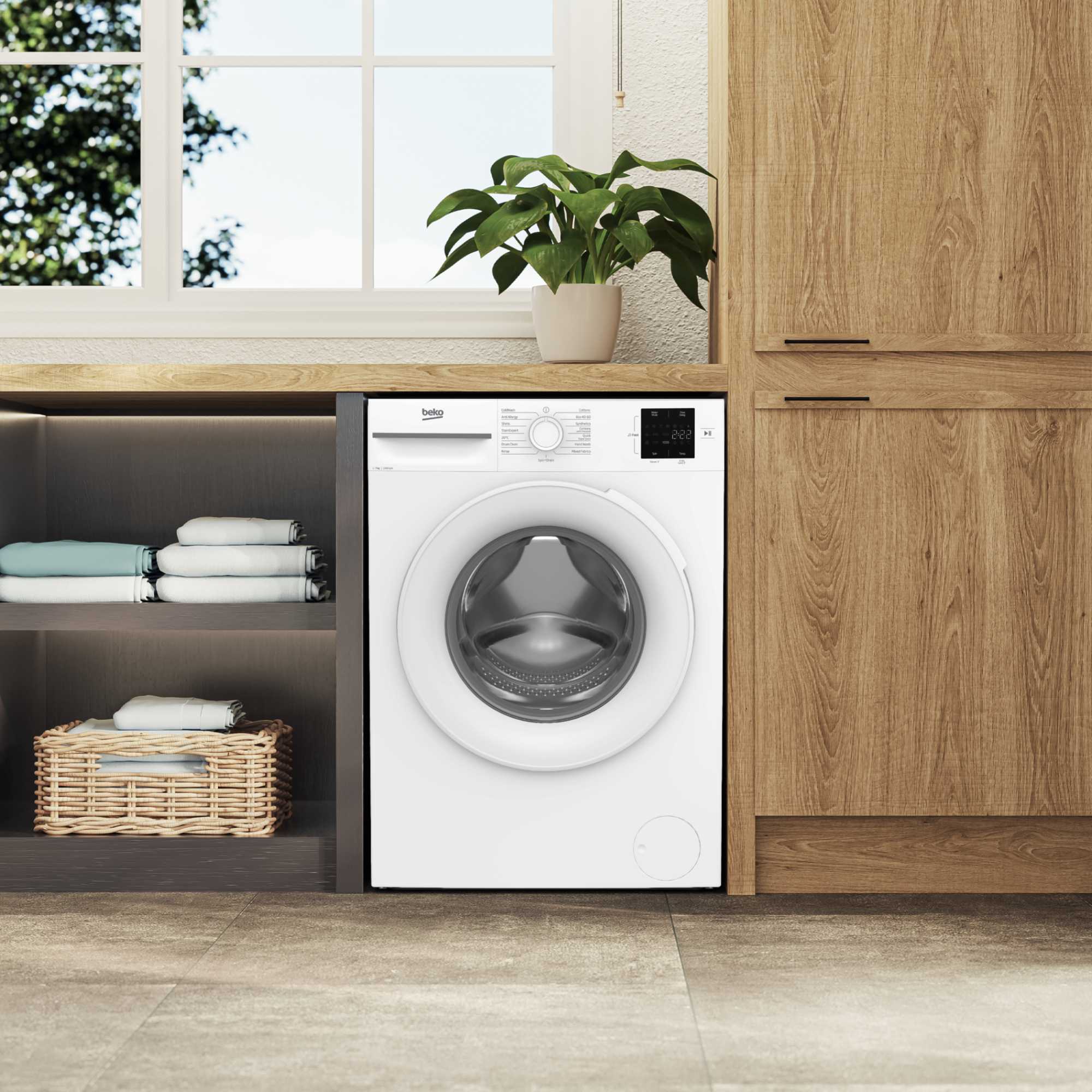
You’re not imagining things. Front-load washers are generally more susceptible to this issue. The main culprit is the large rubber door seal, or gasket. Its tight folds are fantastic at preventing leaks but are also a five-star resort for water and gunk to get trapped. Because the door seals horizontally, water doesn’t drain out as easily as it does in a top-loader’s vertical drum. This trapped moisture is the primary reason front-loaders need a bit more TLC to stay fresh.
The Ultimate Deep Clean: Banish Mold and Mildew for Good
Alright, enough with the why—let’s get to the how. Rolling up your sleeves for a thorough deep clean is the first and most important step to reclaiming your machine’s freshness. Follow this battle plan, and that mildew won’t stand a chance.
Step 1: Tackle the Gasket (For Front-Loaders)
This is ground zero. Gently pull back the rubber gasket and prepare to be horrified (or at least, unimpressed). You’ll likely find a collection of hair, lint, and slimy black buildup.
- Mix Your Solution: Create a solution of either one part white vinegar to one part water, or a solution of one tablespoon of bleach to one gallon of water. Never mix bleach and vinegar.
- Scrub Away: Dip a cloth or sponge into your solution and meticulously wipe down the entire gasket, getting deep into the folds. For stubborn spots, an old toothbrush is your best friend.
- Wipe Dry: Once it’s clean, use a dry cloth to wipe away all the moisture.
Step 2: Clean the Dispenser Drawer
That dispenser drawer for detergent and fabric softener is another sneaky hiding spot for buildup.
- Remove the Drawer: Most drawers can be fully removed. You might need to press a small tab or button to release it (check your user manual if you’re unsure).
- Soak and Scrub: Take the drawer to your sink and wash it thoroughly with hot, soapy water. Use a small brush to scrub out any gunk from the compartments.
- Clean the Cavity: Before replacing the drawer, use your cleaning cloth to wipe out the inside of the machine where the drawer sits. You’ll be surprised what you find in there.
- Dry and Replace: Dry everything completely before putting it back.
Step 3: Run a Tub Cleaning Cycle
Now it’s time to clean the part you can’t see: the inner drum and hoses. This is where you’ll flush out the system and kill any lingering mold or mildew.
- Empty the Machine: Make sure the drum is completely empty of any clothing.
- Add Your Cleaner: You have a few options here. You can use a commercially available washing machine cleaner (like Affresh or Tide Washing Machine Cleaner), which is specifically formulated for this job. Alternatively, you can use:
- Bleach: Add 1 cup of liquid chlorine bleach directly into the detergent dispenser.
- Vinegar: Add 2-4 cups of plain white vinegar directly into the drum.
- Run the Hottest Cycle: Set your washer to its hottest, longest, and largest load-size setting. Many modern machines have a dedicated “Tub Clean” or “Self Clean” cycle—use that if you have it. Let it run the full cycle.
- Optional Second Run: If the smell is particularly bad, consider running a second cycle with baking soda. After the vinegar or bleach cycle is done, add half a cup of baking soda to the drum and run another hot cycle to help neutralize any remaining odors.
Step 4: Don’t Forget the Drain Pump Filter
This is the pro tip that many people miss. Most front-load washers have a small access door on the bottom front of the machine. Behind it is a filter designed to catch lint, coins, and other debris before it clogs your drain pump. This can become a major source of a washing machine smells like mold or mildew.
- Prepare for Water: Place a shallow pan and a thick towel under the access door. A small amount of water will spill out.
- Unscrew and Clean: Slowly unscrew the filter cap. Let the water drain, then pull the filter out completely.
- Rinse and Replace: Remove any debris and rinse the filter thoroughly under running water. Screw it back in tightly. You should check this filter every few months.
Keeping It Fresh: How to Prevent That Musty Smell’s Return
You’ve won the battle, now let’s win the war. Preventing the smell from returning is all about building a few simple habits into your laundry routine.
- Leave the Door Ajar: This is the single most effective thing you can do. After you’re done washing, leave the door (and the dispenser drawer) open to allow air to circulate and dry out the interior.
- Remove Wet Clothes Promptly: Don’t let wet laundry sit in the washer for hours. This creates a steamy, damp environment that mold adores. Transfer clothes to the dryer as soon as the cycle finishes.
- Use the Right Detergent (and the Right Amount): Always use a detergent labeled “HE” (High-Efficiency) for an HE machine. They produce fewer suds. Using too much detergent, or a non-HE type, leaves behind a residue that feeds mold. More soap does not mean cleaner clothes.
- Wipe Down the Gasket: After your last load of the day, give the rubber gasket a quick wipe with a dry cloth. It only takes ten seconds and makes a huge difference.
- Run a Monthly Maintenance Clean: Make the tub clean cycle (Step 3 above) a monthly ritual. This prevents buildup from ever getting out of control.
A Word from an Expert
“In my 15 years as an appliance technician, the biggest mistake I see is people slamming the door shut right after a cycle,” says John Carter, a seasoned appliance repair specialist. “You’re basically creating a terrarium for mold. Just leave it cracked open—it makes all the difference in preventing that musty smell.”
Could Your Machine Be the Problem? When to Consider an Upgrade
If you’ve tried everything and the washing machine smells like mold or mildew persists, it might be time to consider if your older machine is fighting a losing battle. Technology has come a long way, and many modern washers from brands like Washing Machine Co. have features specifically designed to combat this issue.
When you’re shopping for a new machine, look for these game-changing features:
- Anti-Microbial Surfaces: Many new models have gaskets, dispensers, and even draining hoses made with anti-microbial materials that inhibit the growth of odor-causing bacteria.
- Advanced Venting Systems: Some front-loaders now include systems that automatically circulate air after a cycle to help dry out the drum and gasket, even when the door is closed.
- Steam and Sanitize Cycles: High-heat steam and sanitize cycles not only deep clean your clothes but also help kill mold spores and bacteria within the machine itself, keeping it fresher for longer.
- Self-Cleaning Technology: Look for machines with robust self-clean cycles and reminders that tell you when it’s time to run one, taking the guesswork out of maintenance.
Frequently Asked Questions (FAQ)
Q: Can I use vinegar and bleach together to clean my washing machine?
A: Absolutely not. Mixing bleach and vinegar creates toxic chlorine gas, which is extremely dangerous to inhale. Use them in separate cleaning cycles, but never at the same time.
Q: How often should I deep clean my washing machine?
A: A full deep clean (gasket, dispenser, filter, and tub cycle) is recommended every 1-3 months, depending on how often you do laundry. A monthly tub clean cycle with a cleaner or vinegar is a great preventative habit.
Q: Is a top-load washer less likely to smell?
A: Generally, yes. Because their lids aren’t airtight and their vertical drum design allows for better water drainage and air circulation, traditional top-loaders are less prone to mold and mildew. However, they can still develop odors if not maintained properly.
Q: Why do my clothes still smell musty even after washing?
A: This is a classic sign that the source of the smell is the washer itself. The biofilm and mold inside the machine are transferring their odor to your “clean” clothes during the wash and rinse cycles. Cleaning the machine should solve this problem.
Q: What is that black gunk in my washing machine’s gasket?
A: That black, slimy substance is a combination of mold, mildew, and bacterial biofilm. It’s formed from the buildup of detergent residue, fabric softener, dirt, and body oils in a moist environment.
Ending the cycle of a smelly washer is within your power. By understanding the cause, performing a thorough deep clean, and adopting a few simple preventative habits, you can ensure your machine—and your laundry—stays fresh and clean. And when it’s time for an upgrade, know that innovative brands like Washing Machine Co. are constantly developing smarter solutions to keep problems like a Washing Machine smells like mold or mildew a thing of the past.