Front-Load vs Top-Load Washing Machine
Quick Verdict: Front-load washers win on cleaning performance, energy efficiency, and the ability to stack with a dryer. Top-load washers win on ergonomics, lower price at the entry level, and the ability to add items mid-cycle. The right choice depends on your household’s laundry habits, available space, and how much weight you put on running costs versus upfront price. Here is what the evidence says across every dimension that matters.
Front-Load vs Top-Load: Side-by-Side Comparison
| Feature | Front-Load | Top-Load (HE Impeller) | Top-Load (Agitator) |
|---|---|---|---|
| Wash Performance | Excellent — top-rated across categories | Good — above average | Good on heavy cotton; average overall |
| Energy Efficiency | Best — IMEF 2.5–3.0+ | Good — IMEF 1.8–2.5 | Average — IMEF 1.0–1.8 |
| Water Use | Lowest | Moderate | Highest |
| Drum Capacity Range | 4.0–5.0 cu. ft. typical | 4.5–6.0 cu. ft. typical | 3.2–4.5 cu. ft. typical |
| Spin Speed | 1,200–1,400 RPM | 700–1,200 RPM | 700–900 RPM |
| Stackable | Yes | No | No |
| Loading Ergonomics | Requires bending — pedestal adds cost | Upright — ergonomic | Upright — ergonomic |
| Mid-Cycle Add Items | No (door locks during cycle) | Yes (on most models) | Yes |
| Mildew Odor Risk | Higher — requires maintenance | Low | Low |
| Entry Price | ~$700+ | ~$500+ | ~$600+ |
How We Evaluated These Washer Types
This comparison draws on independent expert research from Consumer Reports, Reviewed.com, Wirecutter, and published efficiency data from Energy Star and the Association of Home Appliance Manufacturers. We examined real models across both categories and focused on the performance dimensions that matter most to typical buyers. No placement fee was received from any manufacturer.
Wash Performance
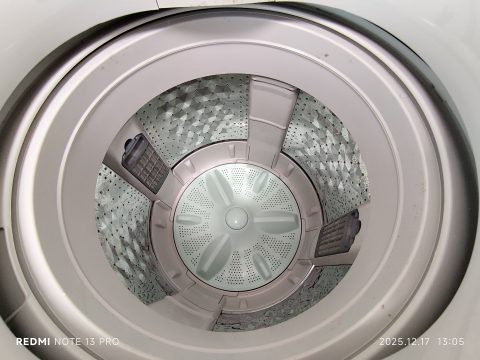
Front-load washers consistently outperform top-loaders on stain removal benchmarks in independent expert testing. The drum tumble action — clothes repeatedly lifted and dropped through water — produces more consistent fabric saturation than either agitator or impeller designs. Front-loaders with steam cycles (like the LG WM4000HWA or GE GFW650SSNWW) extend this advantage further on set-in stains.
Among top-loaders, HE impeller designs (like the Maytag MVW7232HW) perform better than traditional agitators on most stain types, though they lag behind top-rated front-loaders. Traditional agitator top-loaders excel on heavy cotton — workwear, towels, denim — but fall behind modern HE designs on mixed or delicate loads.
Energy and Water Efficiency
Front-loaders are the clear winners on efficiency. They use approximately 50–70% less water than traditional top-loaders and typically 30–40% less than HE top-loaders. Higher spin speeds (1,200–1,400 RPM vs 700–900 RPM) extract more water before drying, reducing dryer cycle time and energy. Over a 10-year lifespan, the difference in water and energy costs between a front-loader and a standard top-loader can amount to several hundred dollars, depending on local water and utility rates.
Ergonomics and Daily Use
Top-loaders win on daily convenience. Loading and unloading from the top requires no bending, which is a meaningful advantage for people with back pain, mobility limitations, or elderly household members. Front-loaders require bending to reach items at the back of the drum — a pedestal base raises the opening to a more comfortable height but adds $200–$300 to the total cost. Top-loaders also allow you to add forgotten items mid-cycle by simply lifting the lid, whereas front-load doors lock during operation.
Space and Stackability
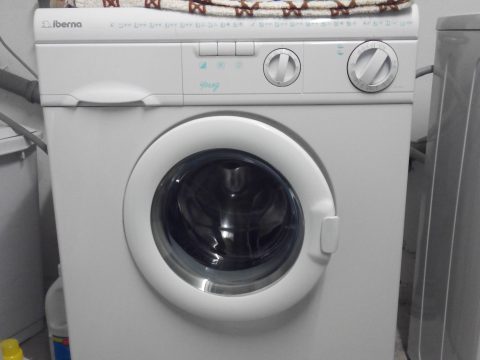
Front-loaders can be stacked with a compatible dryer using a stacking kit, making them the only practical choice for laundry closets, apartments, and homes where floor space is at a premium. Top-loaders require side-by-side installation with a dryer, which demands approximately 54 inches of combined width. If your laundry area is a closet or has a low ceiling, a front-loader is usually the only option.
Mildew Odor — The Front-Loader Caveat
Front-loaders trap moisture in the horizontal drum and door gasket more readily than top-loaders, creating conditions for mildew if not maintained. Routine steps — wiping the gasket, leaving the door ajar, running monthly Tub Clean cycles — prevent this for most users. GE’s UltraFresh engineering (GFW650SSNWW) addresses this at the design level. Top-loaders, by contrast, dry naturally between uses and rarely develop this issue.
Price
Top-loaders have a lower entry price — capable HE models start around $500–$600. Entry-level front-loaders start around $700. At the mid-to-premium tier ($900–$1,200), both types overlap in price, but the front-loader at that price typically includes more features (steam, smart connectivity, higher spin speeds). The total cost of ownership calculation — factoring in energy and water savings over the machine’s life — often narrows or reverses the front-loader’s price premium for long-term buyers.
Which Should You Buy? Verdict by Use Case
Choose a Front-Load Washer If:
You want the best cleaning performance; you need to stack washer and dryer; you wash a mix of fabric types including delicates; energy and water efficiency are priorities; or you have limited floor space. See the LG WM4000HWA and GE GFW650SSNWW as strong starting points.
Choose a Top-Load Washer If:
Bending is a concern; you frequently add items mid-cycle; you want a lower upfront price; or you primarily wash heavy cotton items like workwear and towels. The Maytag MVW7232HW (HE impeller, 5.3 cu. ft.) and Speed Queen TR7 (agitator, maximum durability) are the standout top-load options at this price tier.
Frequently Asked Questions
Do front-load washers actually clean better than top-loaders?
Yes, in independent expert testing, top-rated front-loaders consistently outperform top-loaders on stain removal benchmarks across a range of fabric types and soil levels. The drum tumble action produces better water and detergent penetration than impeller or agitator designs. The gap is most pronounced on mixed loads and delicates; on heavy cotton items, a good agitator top-loader like the Speed Queen TR7 narrows it.
Which type uses less water?
Front-load washers use significantly less water — typically 13–20 gallons per load versus 20–30 gallons for HE top-loaders and 40+ gallons for traditional agitator machines. Over a year of regular use, this difference is substantial for both utility costs and water conservation.
Can a front-load washer go in a closet?
Yes, and this is often where front-loaders are the only viable option. A stacked front-load washer and dryer fits in a standard laundry closet (24–30 inches deep, 30–33 inches wide). A top-loader requires side-by-side space that most closets cannot provide.
Are top-load washers easier to maintain?
Generally yes. Top-loaders dry naturally between uses and do not develop the gasket mildew issue associated with front-loaders. Front-loaders require the door-gasket wipe and periodic Tub Clean cycle — maybe 5 minutes of maintenance per week — to prevent odor. With proper maintenance, front-loader odor is avoidable; without it, it is a real problem.
Which type lasts longer?
Both types last approximately 10–13 years under normal use. Speed Queen’s TR7 is the notable exception — its commercial-grade top-load construction is warranted for 7 years and designed for a 25-year home lifespan. Front-loaders have more complex door seals and drum bearings that can be service points after 8–10 years of heavy use.
Last updated: June 2026
See our main guide: Best Washing Machines.